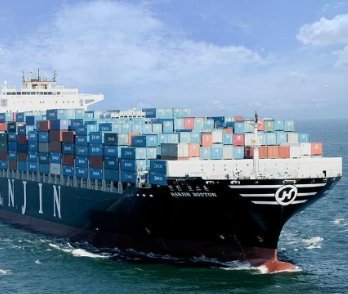
TJ China Cargo provides professional and tailored shipping solutions from China to Ethiopia, designed for businesses operating in one of East Africa’s fastest-growing economies. We handle industrial machinery, construction materials, commercial goods, and project cargo, ensuring smooth delivery to Addis Ababa, Dire Dawa, and other key commercial hubs while navigating Ethiopia’s landlocked logistics network and customs procedures.
Although Ethiopia is landlocked, sea freight via Djibouti Port is the most cost-effective method for importing large shipments. TJ China Cargo arranges ocean freight from major Chinese ports to Djibouti and coordinates inland transport to Ethiopia. This solution is ideal for industrial equipment, construction materials, bulk commercial goods, and project shipments requiring reliable transit and careful scheduling.
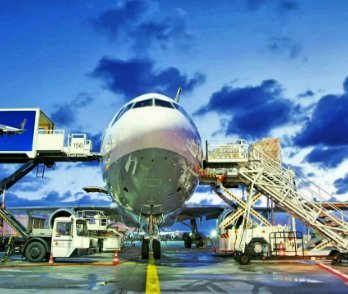
For urgent or high-value shipments, air freight delivers directly to Addis Ababa Bole International Airport or Dire Dawa Airport. TJ China Cargo manages airline space, cargo handling, and documentation, supporting time-sensitive cargo such as electronics, medical supplies, spare parts, and retail products in high demand.

Our door-to-door service handles the full logistics chain from China to Ethiopia. TJ China Cargo manages cargo pickup, international transport, customs clearance at entry ports, and final delivery to warehouses, factories, or project sites, providing a seamless solution for importers navigating landlocked challenges.

Full Container Load (FCL) shipping ensures exclusive container use, improving cargo security during combined sea and inland transport. TJ China Cargo arranges FCL shipments for industrial equipment, large commercial goods, construction materials, and project cargo destined for Ethiopia.
Less Than Container Load (LCL) shipping provides a flexible, cost-efficient option for smaller shipments. TJ China Cargo consolidates cargo at origin, manages deconsolidation at Djibouti Port, and coordinates inland delivery to Ethiopia, balancing affordability with reliability.
We organize cargo pickup across China and coordinate inland delivery to Addis Ababa, Dire Dawa, and other key commercial hubs via trusted transport partners.
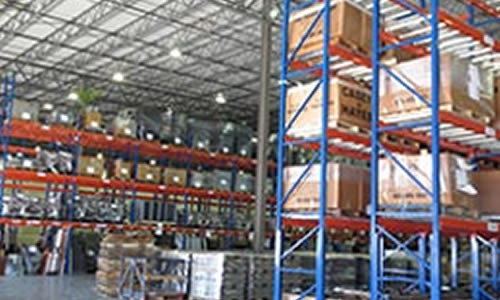
TJ China Cargo provides short-term storage and consolidation in China to optimize container utilization and shipment schedules.
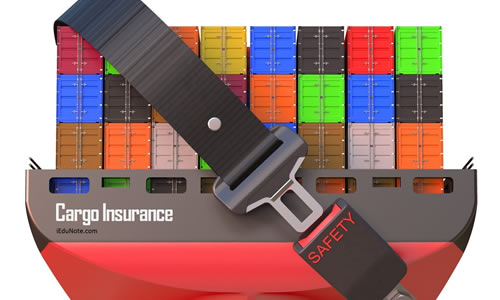
Comprehensive insurance safeguards cargo during sea, air, and inland transport.

Our team ensures smooth customs clearance at Djibouti Port and Ethiopian border points, fully compliant with local regulations.
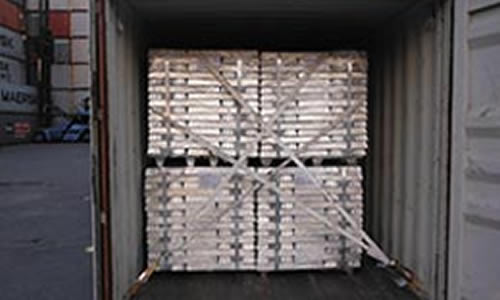
Pre-shipment inspection verifies cargo condition and packaging suitability for long-distance sea and inland transport.

• Tailored logistics solutions for both small and large shipments, designed for Ethiopia’s landlocked geography and inland transport infrastructure
• Reliable sea, air, and door-to-door services via Djibouti Port and direct air connections to Addis Ababa and Dire Dawa
• Expert customs handling to minimize delays and ensure compliance with Ethiopian import regulations
• Flexible FCL and LCL options adapted to industrial machinery, construction materials, and commercial cargo
• End-to-end logistics coordination, ensuring secure transit, visibility, and dependable delivery from China to Ethiopia
Air shipping costs are usually calculated based on the weight and volume of the package. Generally, air freight from China to Ethiopia ranges from $10 to $20 per kilogram. Costs can vary depending on the shipping company and the service level chosen. Heavier or more urgent shipments may incur higher fees.
Sea shipping from China to Ethiopia typically starts from major Chinese ports such as Shanghai, Guangzhou, or Shenzhen. The shipment usually arrives at the main Ethiopian port in Djibouti, and from there, it is transported to Addis Ababa, the capital of Ethiopia.
You can track your shipment using the logistics company's website or tracking tool provided. Most shipping companies offer online tracking services where you can enter your tracking number to get real-time updates on your shipment's status and location.
When shipping goods from China to Ethiopia, you must comply with Ethiopian customs regulations, which may include declaring the value of the goods, providing a detailed invoice, and adhering to import duties and taxes. It's crucial to ensure that all documentation is accurate to avoid delays.
Yes, there are restrictions on certain items, including hazardous materials, perishable goods, and specific pharmaceuticals. It's important to check Ethiopian import regulations to ensure your items are permitted and meet the necessary safety standards.
Sea freight is generally more cost-effective than air freight, especially for large or heavy shipments. While air freight might be faster, sea freight can significantly reduce costs for bulky items, despite the longer transit time.
Express courier services, such as those provided by DHL, FedEx, or UPS, usually deliver within 3 to 7 days. These services are faster but can be more expensive compared to standard air or sea freight options.
Yes, many shipping companies offer door-to-door delivery services. This means they will handle the entire shipping process, including pickup from the origin and delivery to the final destination in Ethiopia, making the process more convenient for you.
Factors influencing shipping time include the chosen shipping method (air vs. sea), the efficiency of the shipping company, weather conditions, customs processing times, and any potential delays at transit points or ports.
To prepare your package, ensure it is securely packed and properly labeled with all required shipping and customs documentation. Include an accurate description of the contents, value, and purpose to facilitate smooth customs clearance and prevent any issues during transit.
Operations deal with the way the vehicles are operated, and the procedures set for this purpose, and policies. In the transport industry, operat ions and ownership of infrastructure can be either country.