TJ China Cargo offers reliable and efficient air, sea, and door-to-door shipping services from China to Sweden, ensuring that your goods are delivered securely and on time. Whether you’re shipping small parcels, bulk shipments, or specialized cargo, TJ China Cargo provides customized logistics solutions tailored to meet Sweden’s specific shipping needs. With key logistics hubs like Stockholm, Gothenburg, and Malmö, we ensure smooth and timely deliveries every time.
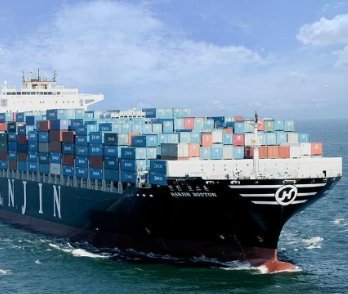
TJ China Cargo provides Full Container Load (FCL) and Less Than Container Load (LCL) sea freight services to Sweden, primarily through major ports like Gothenburg and Malmö. Our sea freight solutions are secure, cost-effective, and reliable for a wide range of goods, including industrial products, electronics, and consumer items. After sea transport, we use efficient rail or road transport for inland delivery to Sweden’s key cities.
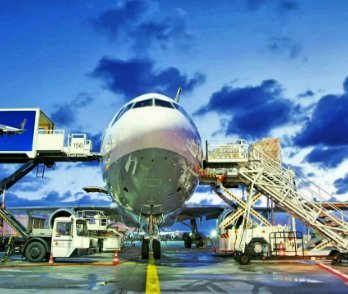
For time-sensitive shipments, TJ China Cargo offers fast and reliable air freight services from China to Sweden. We ensure quick and secure transport through major airports like Stockholm Arlanda Airport and Gothenburg Landvetter Airport. Whether it’s small parcels or larger consignments, our air freight services guarantee timely delivery, efficient customs clearance, and safe transport, ensuring your goods arrive in Sweden promptly.

TJ China Cargo offers seamless door-to-door shipping services from China to Sweden, handling every step of the shipment process from pickup in China to final delivery in Sweden. This all-in-one service includes customs clearance, transport, and reliable delivery to key logistics hubs such as Stockholm, Gothenburg, and Malmö. Whether you're shipping personal goods or business shipments, our door-to-door service ensures a smooth, hassle-free experience.
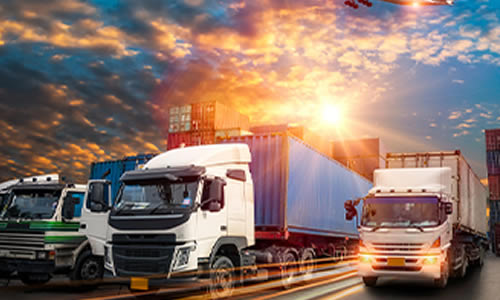
For larger shipments, TJ China Cargo provides Full Container Load (FCL) services to Sweden. FCL ensures your goods are transported in a dedicated container, providing maximum security and efficiency. Whether you’re shipping bulk products, industrial machinery, or large goods, we guarantee safe and timely delivery via reliable sea, air, or land transport to Sweden’s key ports and cities.
Secure and reliable pickup and delivery services across China.
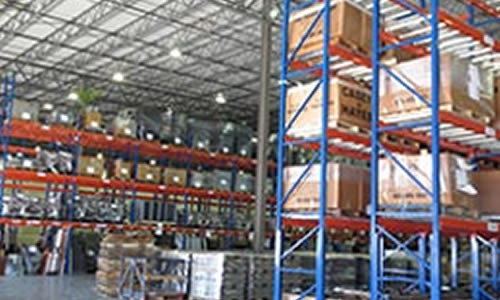
Free warehousing services in China to store your goods before shipment to Sweden.
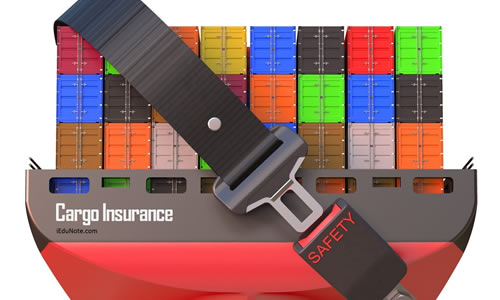
Comprehensive insurance to protect your shipments during transit.

Smooth and efficient customs clearance for timely delivery in Sweden.
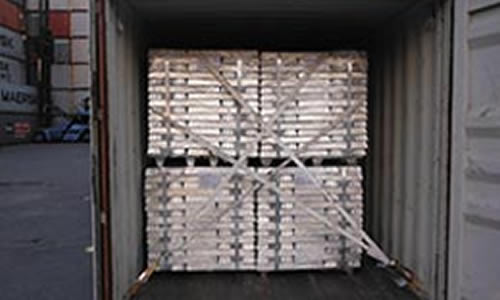
Thorough inspection to ensure your goods are properly packed and secure.
Shipping duration from China to Sweden can be influenced by several factors, including the chosen mode of transport (air or sea), route specifics, customs processing times, and any potential delays at ports or airports. Sea freight is generally slower but more economical, while air freight offers faster delivery at a higher cost. Additionally, weather conditions and logistical challenges can also impact shipping times.
You can track your shipment from China to Sweden using tracking numbers provided by your freight forwarder or carrier. Most forwarders offer online tracking systems where you can monitor the progress of your shipment in real-time. Ensure you receive and enter the correct tracking number on the carrier’s website or app to get updates on your shipment's status and location.
Air freight offers faster delivery times, typically ranging from 7 to 10 days, compared to sea freight's 20 to 40 days. It is ideal for urgent shipments or high-value items due to its speed and reduced risk of damage. However, air freight is more expensive than sea freight.
Common challenges include customs delays, logistical issues, and varying transit times. Other potential problems are documentation errors, language barriers, and fluctuating shipping costs. Effective planning, accurate paperwork, and choosing a reliable freight forwarder can help mitigate these issues.
Customs clearance can significantly impact shipping time. Delays in customs can occur due to incomplete or inaccurate documentation, regulatory compliance issues, or random inspections. Ensuring all paperwork is accurate and adhering to regulations can help avoid delays and expedite the process.
Essential documents include the commercial invoice, packing list, bill of lading, and certificate of origin. Depending on the type of goods, additional documents like import permits or health certificates may be required. Proper documentation ensures smooth customs processing and compliance.
Tracking can be done through the freight forwarder’s tracking system or the carrier's online portal. Most carriers offer real-time tracking updates, allowing you to monitor your shipment's progress and address any issues promptly. Ensure you receive tracking numbers from your forwarder.
Air freight is generally more expensive than sea freight. Costs for air freight are influenced by weight, volume, and speed, while sea freight costs are based on cargo size and shipping routes. For cost-effective solutions, assess your budget, delivery urgency, and shipment size.
Weather conditions can impact both air and sea freight. Severe weather may cause delays in departure, transit, or arrival. For sea freight, storms and rough seas can particularly affect transit times. Planning for potential delays and monitoring weather forecasts can help manage these risks.
Contact your freight forwarder or carrier immediately to determine the cause of the delay. Check tracking updates and review any potential issues related to customs, documentation, or logistical problems. Keeping open communication with your shipping partners can help resolve delays and ensure timely delivery.
Operations deal with the way the vehicles are operated, and the procedures set for this purpose, and policies. In the transport industry, operat ions and ownership of infrastructure can be either country.