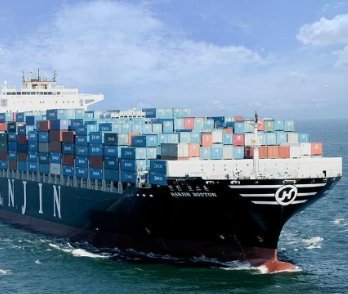
TJ China Cargo offers reliable and efficient air, sea, and door-to-door shipping services from China to Norway, ensuring your goods are delivered safely and on time. Whether you’re shipping small parcels, bulk shipments, or specialized cargo, TJ China Cargo provides customized logistics solutions tailored to meet the unique shipping needs of Norway. From major ports like Oslo and Bergen to efficient air freight options, we guarantee smooth and timely deliveries.
TJ China Cargo offers Full Container Load (FCL) and Less Than Container Load (LCL) sea freight services to Norway, primarily through key ports such as Oslo and Bergen. Our sea freight solutions offer cost-effective, secure, and reliable transport for various types of cargo, from industrial products to consumer goods. We ensure that your goods are handled with care and delivered on time, whether by sea or with integrated rail or road transport for inland delivery to Norway’s key cities.
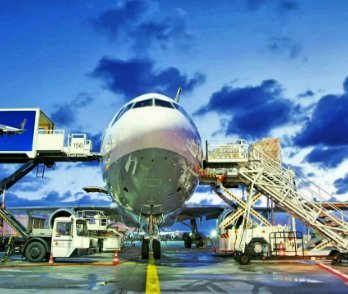
For time-sensitive shipments, TJ China Cargo offers fast and reliable air freight services from China to Norway. We ensure quick and secure transport through major Norwegian airports like Oslo Gardermoen Airport. Whether it’s small parcels or larger consignments, our air freight services guarantee timely delivery and efficient customs clearance, ensuring your goods arrive in Norway promptly.
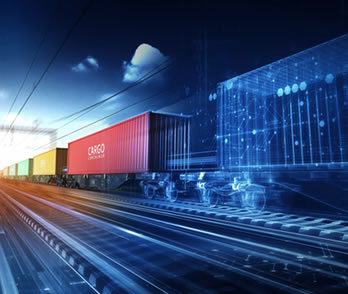
TJ China Cargo offers efficient rail freight services from China to Norway, taking advantage of the New Silk Road's rail connections. Rail freight offers an eco-friendly, cost-effective, and fast shipping option for larger volumes of goods. With direct rail connections to Norway’s key logistics hubs, including Oslo and Bergen, we ensure timely delivery and secure handling throughout the transit, making rail a reliable solution for shipping to Norway.
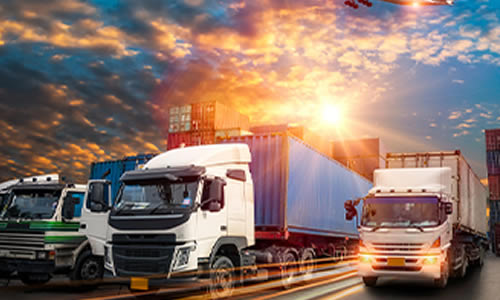
For larger shipments, TJ China Cargo provides Full Container Load (FCL) services to Norway. FCL ensures your goods are transported in a dedicated container, providing maximum security and efficiency. Whether you’re shipping bulk products, industrial machinery, or other large items, we guarantee safe and timely delivery through efficient sea or air transport.
For smaller shipments, TJ China Cargo offers Less Than Container Load (LCL) services to Norway. LCL allows you to share container space with other shipments, providing a cost-effective and flexible solution. Your goods will be securely packed, handled with care, and delivered on time to Norway’s key ports or directly to your final destination.
Secure and reliable pickup and delivery services across China.
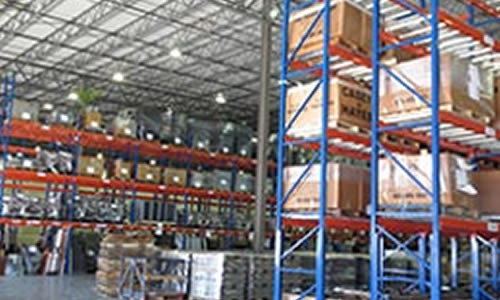
Free warehousing services in China to store your goods before shipment to Norway.
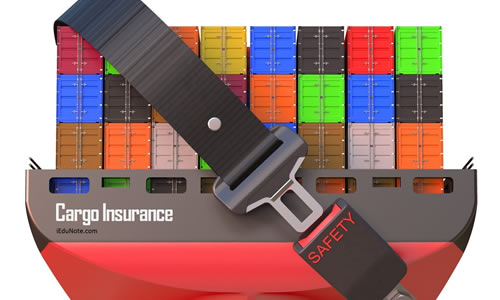
Comprehensive insurance to protect your shipments during transit.

Smooth and efficient customs clearance for timely delivery in Norway.
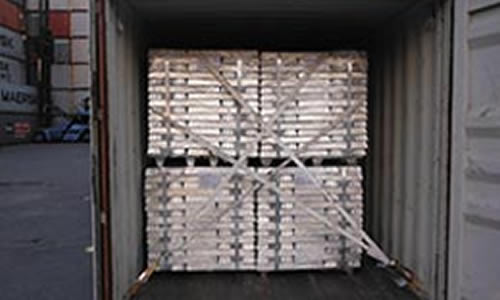
Thorough inspection to ensure your goods are properly packed and secure.
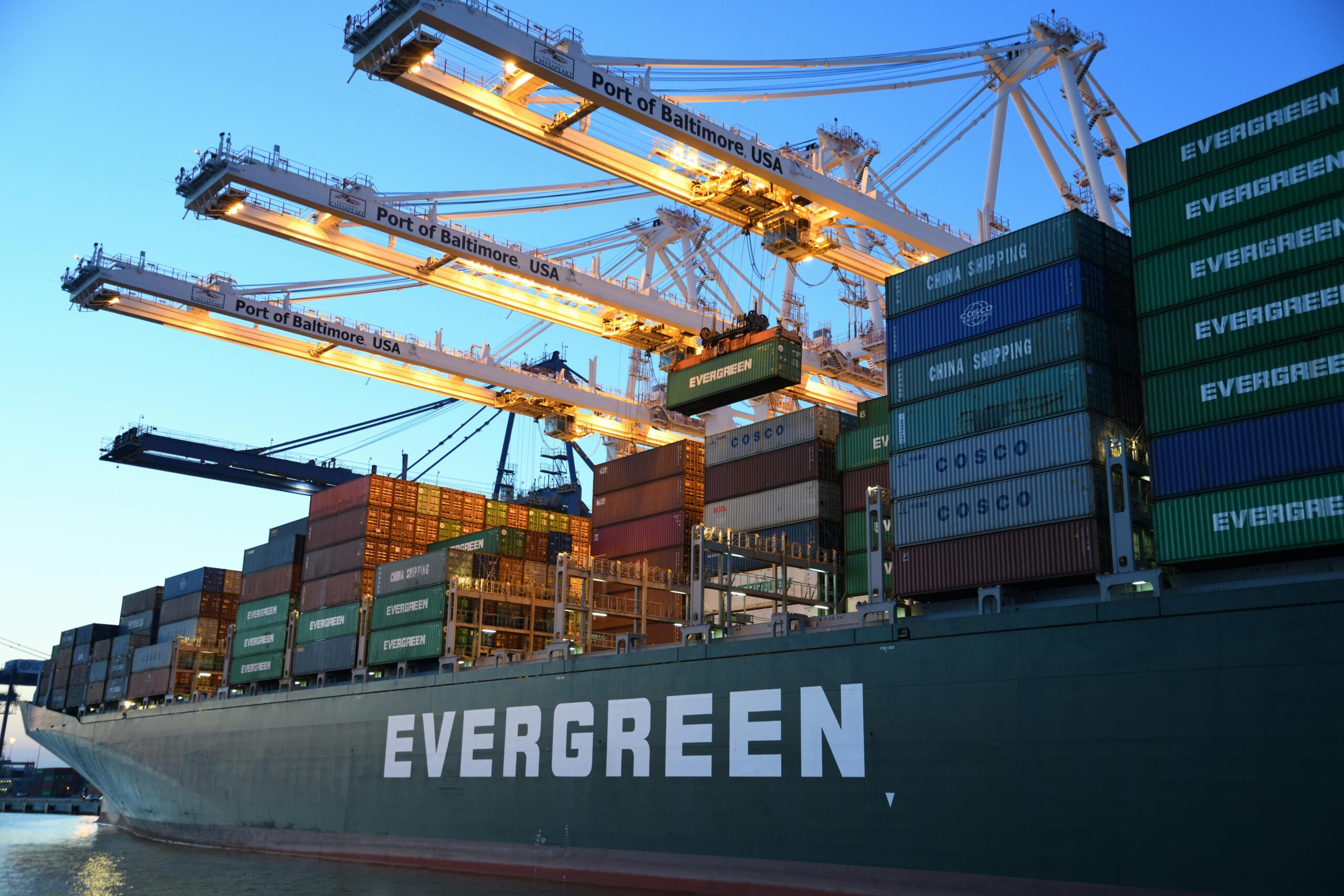
Shipping times from China to Norway are influenced by the chosen transport mode (air or sea), distance, customs clearance, and any potential delays in the logistics chain. Air freight is quicker but more expensive, while sea freight is cost-effective but slower. Other factors include the efficiency of the freight forwarder, weather conditions, and port congestion.
You can track your shipment from China to Norway using tracking numbers provided by your freight forwarder or carrier. Most carriers offer online tracking systems that allow you to monitor your shipment’s progress in real-time. Ensure to use the carrier’s website or app for accurate tracking information.
Essential documents include a commercial invoice, packing list, bill of lading, and certificate of origin. Depending on the nature of the goods, additional documents like certificates of conformity or import permits may be required. Ensure all documents are accurate and complete to facilitate smooth customs clearance.
Yes, customs duties and taxes may apply to shipments from China to Norway. The exact amount depends on the type of goods and their value. Norway’s customs authorities will assess duties based on the Harmonized System (HS) code of the goods. It’s advisable to check current rates and regulations to avoid surprises.
To ensure the safety of your goods, use high-quality packaging materials, choose a reliable freight forwarder, and secure adequate insurance coverage. Properly label and document your shipment, and comply with all regulations and safety standards. Regular tracking and clear communication with your freight partner also help in ensuring safe delivery.
Air freight offers faster shipping times compared to sea freight, with typical delivery times of 7 to 14 days. It is ideal for high-value, time-sensitive, or perishable goods. Air freight also provides better security and tracking capabilities, making it a reliable option for urgent shipments.
Sea freight is generally more cost-effective but slower, with delivery times ranging from 25 to 35 days. It is suitable for large, heavy, or non-urgent shipments. Air freight is faster, with delivery typically in 7 to 14 days, but is more expensive. It is best for urgent or high-value goods.
If your shipment is delayed, first contact your freight forwarder or carrier for information. They can provide updates on the delay and potential solutions. Check tracking systems and ensure all required documents are in order. In some cases, delays may be due to customs issues or logistical problems that need resolution.
Shipping costs depend on factors such as the mode of transport, weight, dimensions of the cargo, and destination. For accurate cost estimates, consult with your freight forwarder or use online shipping calculators provided by carriers. They will consider all these factors to provide a detailed cost breakdown.
Common challenges include customs clearance delays, fluctuating shipping rates, and potential damage or loss of goods. Other issues may include navigating complex regulations, dealing with unexpected costs, and managing logistical disruptions. Working with a reliable freight forwarder and preparing adequately can help mitigate these challenges.
Operations deal with the way the vehicles are operated, and the procedures set for this purpose, and policies. In the transport industry, operat ions and ownership of infrastructure can be either country.