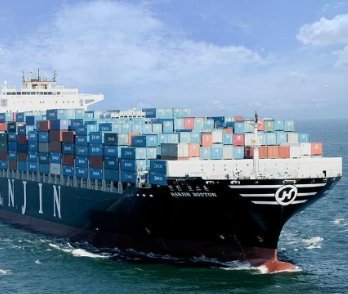
TJ China Cargo offers reliable and efficient air, sea, and rail freight services from China to Romania, ensuring your goods are delivered securely and on time. Whether you’re shipping small parcels, bulk shipments, or specialized cargo, TJ China Cargo provides customized logistics solutions tailored to meet Romania’s specific shipping needs. With key logistics hubs like Bucharest and major ports like Constanta, we ensure smooth and timely deliveries every time.
TJ China Cargo offers Full Container Load (FCL) and Less Than Container Load (LCL) sea freight services to Romania, primarily through the Port of Constanta. Our sea freight solutions are designed to provide secure, reliable, and cost-effective transport for a wide range of goods, from industrial products to consumer items. After sea transport, we use efficient rail or road transport to deliver your cargo to Romania’s key cities.
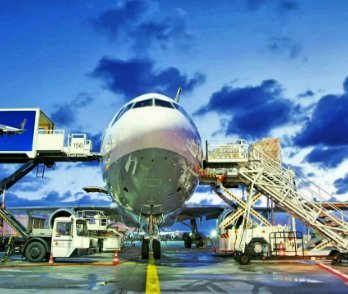
For time-sensitive shipments, TJ China Cargo offers fast and reliable air freight services from China to Romania. We provide secure and quick transport through major Romanian airports like Henri Coandă International Airport in Bucharest. Whether it’s small parcels or larger consignments, our air freight services guarantee timely delivery and efficient customs clearance, ensuring your goods arrive in Romania safely and on time.
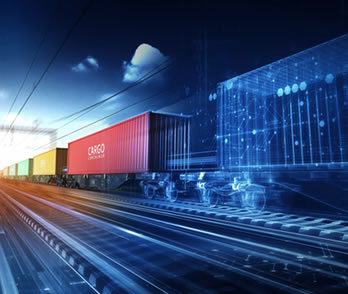
TJ China Cargo offers efficient rail freight services from China to Romania through the New Silk Road rail connections. Rail freight is an eco-friendly, cost-effective, and fast shipping option for larger volumes of goods. With direct rail connections to Romania’s logistics hubs, including Bucharest, we ensure secure, timely delivery and smooth transit for all types of cargo. Rail freight is ideal for businesses looking for a balance between speed and cost.
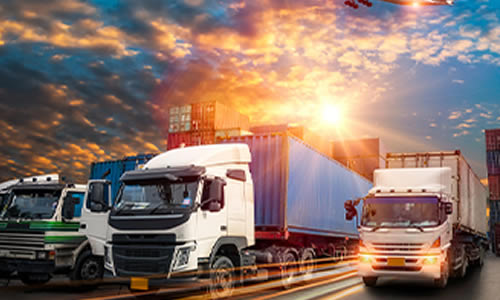
For large shipments, TJ China Cargo provides Full Container Load (FCL) services to Romania. FCL ensures your goods are transported in a dedicated container, offering maximum security and efficiency. Whether you’re shipping bulk products, industrial machinery, or large goods, we guarantee safe and timely delivery through reliable sea, rail, or air transport, ensuring your goods reach Romania’s key ports and cities.
For smaller shipments, TJ China Cargo offers Less Than Container Load (LCL) services to Romania. LCL allows you to share container space with other shipments, providing a cost-effective solution for smaller consignments. Your goods will be securely packed, handled with care, and delivered on time to Romania’s key ports or directly to your final destination.
Secure and reliable pickup and delivery services across China.
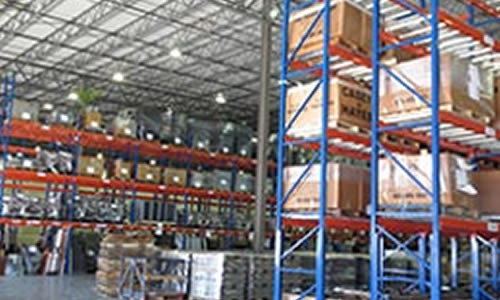
Free warehousing services in China to store your goods before shipment to Romania.
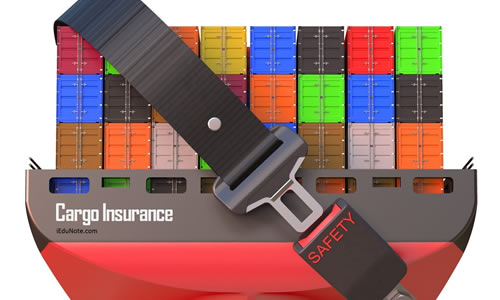
Comprehensive insurance to protect your shipments during transit.

Smooth and efficient customs clearance for timely delivery in Romania.
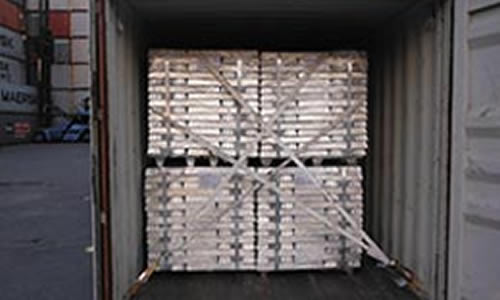
Thorough inspection to ensure your goods are properly packed and secure.
To ensure smooth customs clearance, you need several key documents. Start with the Commercial Invoice, which details the goods and their value. Next, provide a Packing List that describes the packaging and contents. The Bill of Lading or Airway Bill serves as proof of the shipment contract. Additionally, an Import Declaration form must be completed with shipment details. Finally, a Certificate of Origin may be required to confirm the goods' origin.
Romanian customs determine the value of goods based on the CIF (Cost, Insurance, and Freight) value. This calculation includes the cost of the goods, insurance, and freight charges up to the Romanian border. Therefore, accurate reporting of these elements is crucial for proper valuation.
Indeed, Romania offers several exemptions and reductions. For instance, Duty-Free Allowances might apply to certain goods if they meet specific criteria. Moreover, Preferential Rates are available for products from countries with trade agreements. Additionally, VAT Exemptions can apply to imports used for educational, medical, or charitable purposes.
If you find yourself at odds with a customs decision, you should File an Appeal with the Romanian Customs Authority. Ensure you Provide Evidence to support your case. After submission, the authority will Review your appeal and respond within a designated timeframe.
To streamline customs clearance, businesses can take several steps. Firstly, consider Hiring a Customs Broker who is well-versed in Romanian regulations. Additionally, Ensure Accurate Documentation by verifying that all paperwork is complete and correct. Finally, Use E-Services offered by customs for quicker processing.
Non-compliance with customs regulations can have serious consequences. These include Fines and Penalties for incorrect declarations or documentation. Furthermore, goods may be Seized or detained by customs. Additionally, expect Processing Delays, which can extend the time required for clearance and delivery.
Handling hazardous materials involves specific requirements. First, ensure Proper Classification of the materials. Next, provide Special Documentation, including safety data sheets and hazard declarations. Additionally, Compliance with Safety Regulations is essential to meet handling and transportation standards.
In the event of a delay, start by Contacting Customs Authorities to understand the cause. Then, Check Documentation to ensure all forms and details are correct. Finally, Resolve Issues promptly by addressing any additional requirements or discrepancies.
E-commerce shipments follow specific customs procedures. Begin by Declaring Value accurately for the goods. Include a Detailed Invoice with the shipment. Additionally, Apply VAT where applicable to comply with tax regulations.
Free trade agreements can significantly influence customs procedures. They often Reduce Duties on specific goods, lowering or eliminating tariffs. Additionally, they Simplify Procedures, streamlining customs processes for participating countries. Moreover, such agreements can Offer Preferential Rates, providing favorable conditions for imports from member countries.
Operations deal with the way the vehicles are operated, and the procedures set for this purpose, and policies. In the transport industry, operat ions and ownership of infrastructure can be either country.