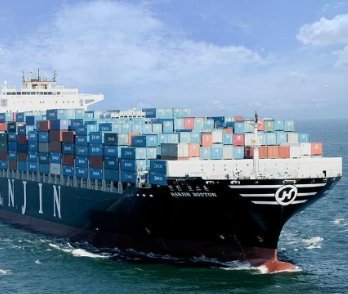
TJ China Cargo offers fast, secure, and tailored door-to-door shipping services from China to Japan, ensuring your shipments are delivered smoothly and on time. Whether you’re shipping small parcels, bulk items, or high-value cargo, TJ China Cargo provides a personalized approach to meet the specific needs of Japan’s logistics market. From Tokyo to Osaka and beyond, our comprehensive shipping solutions guarantee seamless transport directly to your destination.
TJ China Cargo provides Full Container Load (FCL) and Less Than Container Load (LCL) sea freight services to Japan, utilizing key ports like Yokohama, Osaka, and Kobe. While Japan has a well-established maritime network, we ensure efficient transit and on-time deliveries by managing transport and customs clearance seamlessly. Our sea freight options are secure, cost-effective, and reliable, ensuring your goods arrive safely whether you’re shipping industrial goods, machinery, or retail products.
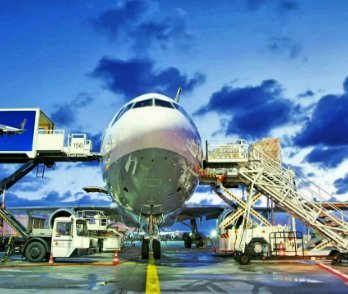
For urgent shipments, TJ China Cargo offers premium air freight services from China to Japan. We work with major airports such as Tokyo Narita, Osaka Kansai, and Fukuoka to ensure quick and efficient transport. Our air freight services are perfect for businesses needing rapid delivery of time-sensitive goods. With fast customs clearance, your shipments will arrive safely and promptly, wherever you’re located in Japan.

TJ China Cargo offers comprehensive door-to-door shipping services from China to Japan, taking care of every detail from the moment your goods leave China to the time they are delivered to your doorstep in Japan. Whether you are shipping personal belongings or commercial cargo, we provide a full-service solution that includes customs clearance, transport, and reliable delivery. Our door-to-door services ensure a hassle-free experience, making shipping as simple and efficient as possible.

For larger shipments, TJ China Cargo offers Full Container Load (FCL) services to Japan. FCL ensures that your goods are transported in a dedicated container, offering the highest level of security and efficiency. Whether you’re shipping bulk products, industrial machinery, or oversized items, we guarantee secure, on-time delivery through our reliable sea and air transport options to Japan’s key ports.
For smaller shipments, TJ China Cargo provides Less Than Container Load (LCL) services to Japan. LCL allows you to share container space with other shipments, providing a flexible and cost-effective solution for businesses with smaller consignments. Your goods will be securely packed and delivered to Japan’s major logistics hubs, including Tokyo, Osaka, or Yokohama.
Secure and efficient pickup and delivery services across China, ensuring your goods are ready for shipping.
Free warehousing options in China to store your goods before shipment to Japan, giving you flexibility and convenience.
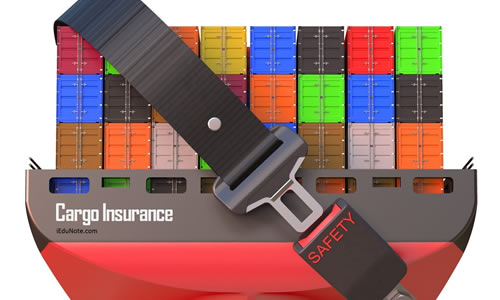
Comprehensive insurance to protect your shipments during transit, giving you peace of mind.

Smooth and efficient customs clearance for hassle-free delivery in Japan, ensuring timely processing.
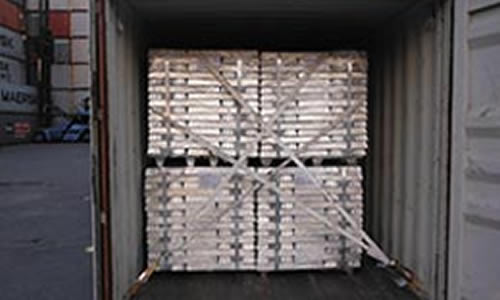
Thorough inspection to ensure your goods are packed securely and comply with shipping regulations.

The most common shipping methods from China to Japan are sea freight and air freight. Sea freight is cost-effective for larger shipments and typically takes 4 to 8 days. Air freight, although more expensive, is faster, with delivery times ranging from 1 to 3 days. Each method has its advantages depending on the urgency and volume of the shipment.
Customs procedures can significantly affect shipping time from China to Japan. Proper documentation and compliance with both countries' regulations are crucial for smooth clearance. Delays in customs inspections, missing paperwork, or non-compliance can extend the shipping time. Working with experienced freight forwarders can help streamline this process.
Several factors influence the cost of shipping from China to Japan, including the shipping method (air or sea), the weight and volume of the shipment, and the distance between ports. Additional costs may include insurance, customs fees, and handling charges. Choosing the right freight forwarder can help optimize costs based on your specific needs.
Yes, shipping from China to Japan can be tracked. Most freight forwarders and carriers provide tracking services that allow you to monitor your shipment's progress in real time. This helps you stay informed about its location and estimated delivery time, enhancing transparency and allowing for prompt action if issues arise.
Air freight offers several advantages over sea freight, including faster delivery times, typically ranging from 1 to 3 days compared to 4 to 8 days by sea. It also reduces the risk of damage and theft due to less handling and transit time. However, air freight is more expensive, so it's ideal for urgent or high-value shipments.
The size and weight of a shipment can impact delivery time. Larger and heavier shipments may require more time for handling and transport, especially by air. Sea freight can accommodate larger volumes but might have longer transit times. For faster delivery, consider using air freight for smaller or urgent shipments.
If your shipment is delayed, first check the tracking information provided by your freight forwarder or carrier. Contact them to understand the reason for the delay and get updated estimates for delivery. Ensuring that all customs documentation and shipping instructions are accurate can also help resolve issues promptly.
To minimize shipping costs, consider consolidating shipments to reduce volume and weight, choose sea freight for non-urgent deliveries, and negotiate rates with your freight forwarder. Additionally, accurate documentation and avoiding last-minute changes can help prevent additional fees and charges.
Customs fees for shipping from China to Japan vary based on the value and nature of the goods. Fees can include import duties, taxes, and handling charges. To get an accurate estimate, consult with your freight forwarder or customs broker, who can provide detailed information based on your specific shipment.
Required documentation for shipping goods from China to Japan includes a commercial invoice, packing list, bill of lading or air waybill, and any necessary certificates of origin or compliance. Ensuring that all documents are complete and accurate helps facilitate smooth customs clearance and avoids delays.
Operations deal with the way the vehicles are operated, and the procedures set for this purpose, and policies. In the transport industry, operat ions and ownership of infrastructure can be either country.