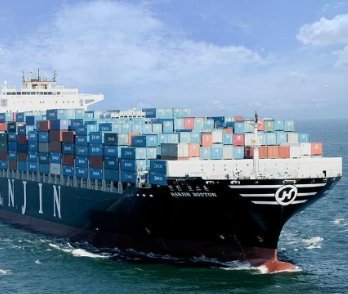
TJ China Cargo offers reliable door-to-door shipping services from China to Iraq, ensuring that your shipments are delivered on time, securely, and without hassle. Whether you are shipping small parcels, large shipments, or specialized cargo, TJ China Cargo provides tailored logistics solutions designed to meet the specific needs of the Iraqi market. From Baghdad to Basra, Erbil, and beyond, we ensure smooth and efficient deliveries using a combination of air, sea, and road transport.
TJ China Cargo provides Full Container Load (FCL) and Less Than Container Load (LCL) sea freight services to Iraq. We utilize major ports like the Port of Umm Qasr, Iraq’s primary seaport, and other regional hubs, followed by efficient overland transport to key cities like Baghdad, Basra, and Erbil. Our sea freight services are cost-effective, reliable, and secure, making them ideal for shipping bulk goods, industrial equipment, electronics, and textiles to Iraq. We handle every detail, including customs clearance and final delivery, ensuring your goods arrive without issues.

For time-sensitive shipments, TJ China Cargo offers fast and efficient air freight services from China to Iraq. We manage shipments through major airports like Baghdad International Airport, Erbil International Airport, and Basra International Airport. Whether you’re shipping urgent parcels or larger consignments, our air freight services guarantee quick customs clearance and on-time delivery, making them perfect for businesses with pressing needs.

TJ China Cargo offers comprehensive door-to-door shipping services from China to Iraq, managing every aspect from pickup in China to final delivery in Iraq. This all-inclusive service covers customs clearance, transport, and reliable delivery to major cities such as Baghdad, Basra, Erbil, and Mosul. Whether you're shipping business cargo, personal items, or e-commerce shipments, our door-to-door service guarantees a seamless, hassle-free experience from start to finish.

For larger shipments, TJ China Cargo provides Full Container Load (FCL) services to Iraq. FCL ensures that your goods are transported in a dedicated container, providing the highest level of security and efficiency throughout the journey. Whether you’re shipping industrial machinery, bulk products, or oversized equipment, our FCL services guarantee safe, timely delivery via sea, air, or road transport to Iraq’s key ports and cities.
For smaller shipments, TJ China Cargo offers Less Than Container Load (LCL) services to Iraq. LCL allows you to share container space with other shipments, providing a more cost-effective and flexible option for smaller consignments. Your goods will be securely packed, carefully handled, and delivered on time to key locations in Iraq, including Baghdad, Erbil, and Basra.
Secure and efficient pickup and delivery services across China, ensuring smooth transport for your goods.
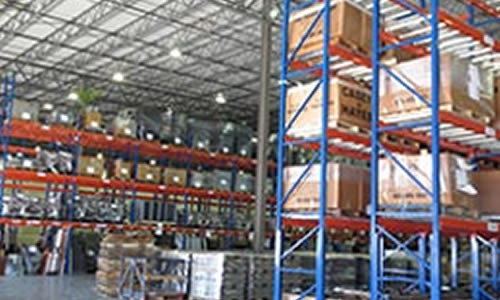
Free warehousing services in China to store your goods before shipment to Iraq, offering flexibility.
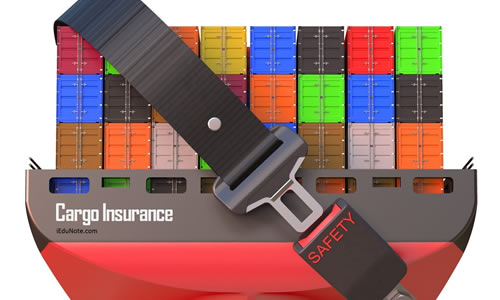
Comprehensive cargo insurance to protect your shipments during transit, providing peace of mind.

Fast and efficient customs clearance ensuring timely delivery and compliance with Iraqi regulations.
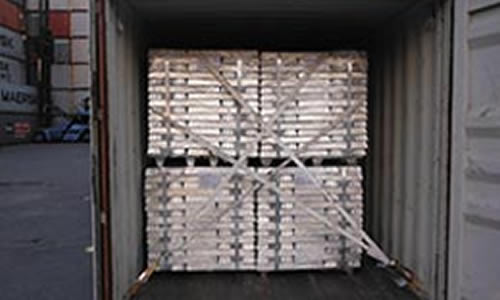
Thorough inspection to ensure your goods are securely packed and comply with all shipping standards.

The shipping time from China to Iraq is influenced by the mode of transport (air or sea), the efficiency of logistics providers, customs processing times, and the distance between ports. Air freight is faster, but sea freight is more cost-effective.
Shipping costs depend on the mode of transport, cargo weight and volume, and any additional services like insurance or expedited handling. Air freight costs more than sea freight. For accurate pricing, request a quote from a freight forwarder with shipment details.
Yes, Iraq enforces specific import restrictions and regulations. Certain products may need special permits or meet particular standards. Verify with a customs broker or local authorities to ensure compliance with Iraqi import laws.
Use tracking numbers provided by your freight forwarder or carrier to monitor your shipment’s progress. Most carriers offer online tracking systems that provide real-time updates on the shipment's location and status.
Essential documents typically include a commercial invoice, packing list, bill of lading, and any required import permits or certificates. Ensure all documentation is accurate and complete to prevent delays at customs.
Although sea freight is slower, some expedited sea freight options can reduce transit time. For time-sensitive shipments, air freight remains the fastest option, but expedited sea services are available for less urgent needs.
Customs duties and taxes vary based on the nature and value of the goods. It is important to consult with a customs expert or refer to the latest tariff schedules to understand the specific duties and taxes applicable to your shipment.
Packaging should be robust and suitable for the cargo. Use quality materials to prevent damage during transit. Clearly label each package with handling instructions and destination information to ensure safe and efficient delivery.
Contact your freight forwarder or carrier immediately to inquire about the delay. They can provide updated information and an estimated delivery time. Ensure that all necessary documents are in order to avoid further issues.
Safety regulations include compliance with international shipping standards and specific Iraqi regulations. If shipping hazardous materials, follow safety guidelines meticulously and ensure all safety documentation is complete.
Operations deal with the way the vehicles are operated, and the procedures set for this purpose, and policies. In the transport industry, operat ions and ownership of infrastructure can be either country.