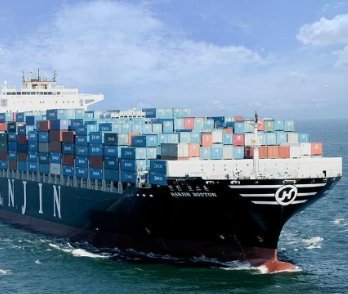
TJ China Cargo provides professional and efficient shipping solutions from China to Tunisia, supporting manufacturers, traders, and distributors operating in this key North African gateway between Europe, Africa, and the Middle East. We handle commercial goods, industrial equipment, automotive components, and retail cargo, ensuring smooth delivery to Rades, Tunis, Sfax, and other major ports while aligning with Tunisia’s structured customs system and established transport network.
Sea freight is the most cost-effective and widely used option for shipping goods from China to Tunisia. TJ China Cargo arranges ocean freight from major Chinese ports to Rades, Tunis, and Sfax, managing carrier selection, routing, and cargo handling. This service is ideal for containerized cargo, manufacturing inputs, automotive parts, and large commercial shipments benefiting from Tunisia’s regular Mediterranean shipping connections.
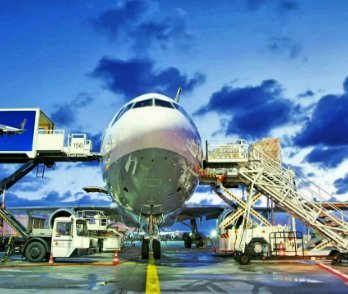
For urgent or high-value shipments, air freight offers fast delivery to Tunis-Carthage International Airport and Enfidha-Hammamet International Airport. TJ China Cargo coordinates airline capacity, cargo handling, and documentation, supporting time-sensitive goods such as electronics, spare parts, and fashion items serving Tunisia’s export-oriented industries.

Our door-to-door service manages the full logistics chain from China to Tunisia. TJ China Cargo handles pickup, international transport, customs clearance, and final delivery to warehouses, factories, or distribution centers across Tunisia, providing a streamlined solution for importers.

Full Container Load (FCL) shipping ensures exclusive container use, improving cargo security and transit efficiency. TJ China Cargo arranges FCL shipments for industrial machinery, production materials, and large-volume commercial goods destined for Tunisia.
Less Than Container Load (LCL) shipping is a flexible option for smaller shipments. TJ China Cargo consolidates cargo at origin, manages deconsolidation at Tunisian ports, and ensures cost-effective delivery for SMEs and diversified importers.
We arrange cargo pickup across China and coordinate final delivery to Tunis, Rades, Sfax, and other key industrial zones through trusted local partners.
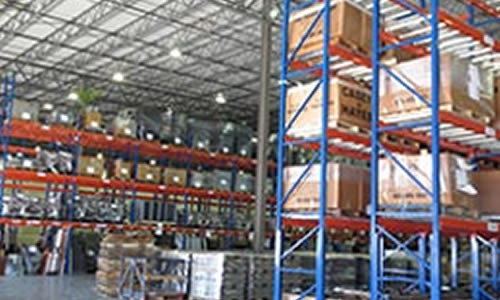
TJ China Cargo provides consolidation and short-term storage in China to optimize container utilization and shipping schedules.
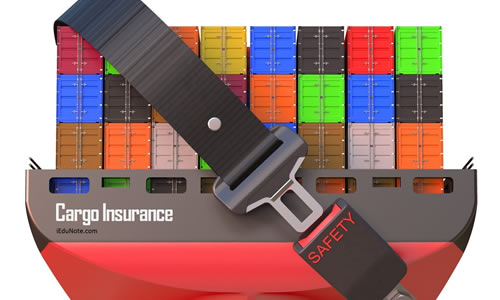
Comprehensive insurance coverage protects shipments during sea and air transportation.

Our team manages customs clearance in Tunisia, ensuring compliance with local import regulations and documentation requirements.
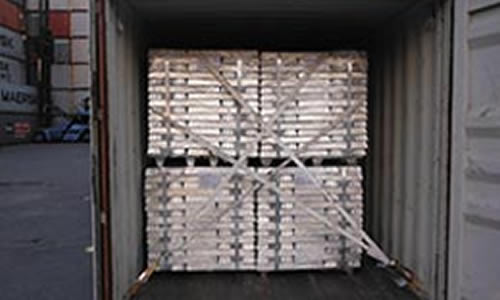
Pre-shipment inspection verifies cargo condition and packaging standards, supporting secure handling and smooth transit.

• Tailored logistics solutions for both small and large shipments, aligned with Tunisia’s structured customs and transport environment
• Reliable sea, air, and door-to-door services connecting China with Tunisia’s major ports and industrial zones
• Experienced customs handling to ensure fast clearance and regulatory compliance
• Flexible FCL and LCL options designed for manufacturing supply chains and commercial distribution
• End-to-end logistics management, ensuring efficiency, visibility, and dependable delivery from China to Tunisia
The shipping duration for freight from China to Libya generally ranges from 20 to 40 days, depending on the chosen shipping method. Air freight is faster, typically taking around 7 to 10 days, while sea freight can extend to 30 to 40 days. Factors such as customs clearance and weather conditions can also impact delivery times.
Sea freight from China to Libya usually takes between 30 to 40 days. This timeframe can vary based on the departure port in China, the arrival port in Libya, and any transshipment points. Shipping times might be longer if there are delays in customs or adverse weather conditions.
Air freight from China to Libya typically takes about 7 to 10 days. This is a quicker option compared to sea freight but is generally more expensive. Transit times can be affected by flight schedules, handling times, and any potential delays at airports.
To reduce shipping times from China to Libya, you can opt for air freight instead of sea freight. Additionally, choosing express services or premium shipping options can expedite delivery. Efficient customs clearance and accurate documentation also help minimize delays.
Shipping duration from China to Libya is influenced by several factors, including the shipping method (air or sea), the specific ports of departure and arrival, customs processing times, weather conditions, and any potential logistical disruptions.
Yes, air freight is the fastest shipping option from China to Libya. It usually takes around 7 to 10 days, compared to sea freight, which can take up to 40 days. For even faster delivery, consider express courier services that specialize in urgent shipments.
Yes, shipping delays can occur due to factors such as customs inspections, weather conditions, port congestion, and logistical issues. To mitigate delays, ensure all documentation is accurate and consider using reliable shipping services with tracking options.
Customs processing times for shipments from China to Libya can vary but generally range from 3 to 7 days. The time may increase if additional documentation is required or if there are issues with the shipment's declaration.
Shipping companies estimate delivery times based on the chosen method (air or sea), the distance between ports, historical data, and current logistical conditions. They provide estimates that account for transit time, customs processing, and potential delays.
When choosing a shipping method from China to Libya, consider factors such as delivery speed, cost, and the nature of the goods. Air freight is faster but more expensive, while sea freight is more cost-effective but takes longer. Additionally, factor in customs processing times and any potential for delays.
Operations deal with the way the vehicles are operated, and the procedures set for this purpose, and policies. In the transport industry, operat ions and ownership of infrastructure can be either country.