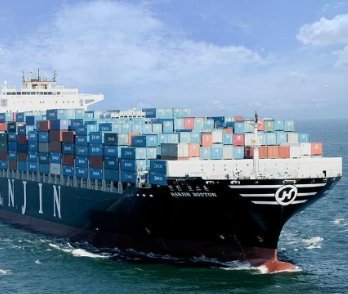
TJ China Cargo offers professional and reliable shipping solutions from China to Djibouti, designed for businesses operating in the Horn of Africa’s strategic trade hub. We handle commercial goods, industrial equipment, construction materials, and project cargo, ensuring timely delivery to Djibouti City and surrounding logistics zones while managing port operations, customs clearance, and inland transport connections to neighboring regions.
Sea freight is the most economical and widely used method for shipping goods to Djibouti. TJ China Cargo arranges ocean freight from major Chinese ports to the Port of Djibouti, coordinating carrier selection, container booking, and cargo handling. This service is ideal for bulk shipments, industrial machinery, construction materials, and large commercial consignments, with careful planning for port schedules and handling capacity.
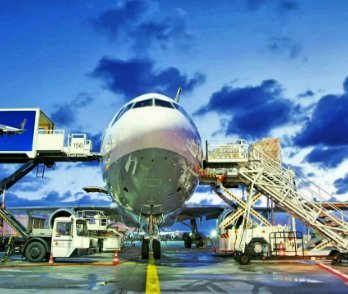
For urgent or high-value shipments, air freight provides fast delivery to Djibouti-Ambouli International Airport. TJ China Cargo manages airline space, cargo handling, and documentation, supporting time-sensitive goods such as electronics, medical supplies, spare parts, and high-demand commercial products.

Our door-to-door service manages the entire logistics chain from China to Djibouti. TJ China Cargo handles cargo pickup, international transport, customs clearance, and final delivery to warehouses, factories, or project sites, providing a seamless solution for businesses in the region.

Full Container Load (FCL) shipping offers exclusive container use, reducing handling risks and improving cargo security. TJ China Cargo arranges FCL shipments for industrial equipment, construction materials, and large-volume commercial goods destined for Djibouti.
Less Than Container Load (LCL) shipping is a flexible, cost-efficient solution for smaller consignments. TJ China Cargo consolidates cargo at origin, manages deconsolidation at Djibouti Port, and coordinates inland delivery, balancing affordability with reliability.
We arrange cargo pickup throughout China and coordinate inland delivery to Djibouti City and key logistics hubs via trusted local partners.
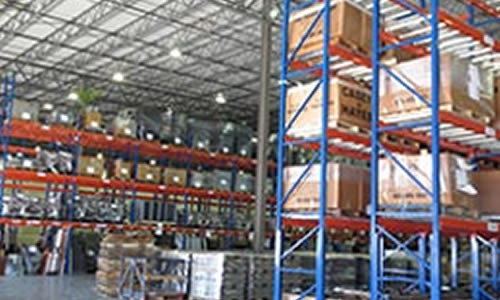
TJ China Cargo provides short-term storage and consolidation in China to optimize shipment schedules and container utilization.
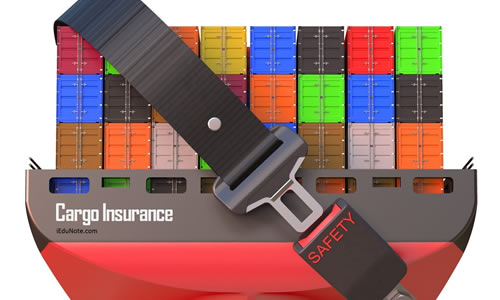
Comprehensive insurance coverage protects cargo during sea, air, and inland transport.

Our team ensures smooth customs clearance in Djibouti, fully compliant with local regulations and port procedures.
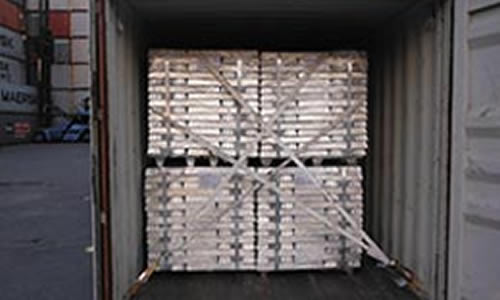
Pre-shipment inspection verifies cargo condition and packaging suitability for long-distance sea transport and inland handling.

• Tailored logistics solutions for both small and large shipments, designed for Djibouti’s strategic port and inland transport connections
• Reliable sea, air, and door-to-door services covering Djibouti City and regional logistics zones
• Expert customs handling to minimize delays and ensure compliance with Djibouti’s import regulations
• Flexible FCL and LCL options adapted to industrial equipment, construction materials, and commercial goods
• End-to-end logistics coordination, ensuring secure transit, visibility, and dependable delivery from China to Djibouti
Factors affecting shipping time include the shipping method (air, sea, or land), customs clearance procedures, the shipping route, weather conditions, and the carrier's efficiency. Sea freight is typically slower than air freight, and port congestion or delays in customs can further impact the timeline.
Common shipping methods include sea freight, air freight, and express courier services. Sea freight is cost-effective for large volumes but slower, while air freight is faster but more expensive. Express couriers offer a balance between speed and cost for smaller shipments.
Sea freight from China to Djibouti usually takes between 20 to 30 days, depending on the specific route, shipping line, and any potential delays at ports. This method is often used for bulk shipments due to its cost-effectiveness.
Air freight from China to Djibouti typically takes 3 to 7 days. This method is much faster than sea freight and is preferred for urgent or high-value shipments, despite being more expensive.
Shipping costs vary based on the method (sea, air, express), weight and volume of the shipment, distance, and additional services like insurance and handling fees. Sea freight is generally cheaper per unit weight than air freight, but slower.
Required documents include a commercial invoice, packing list, bill of lading (for sea freight) or airway bill (for air freight), certificate of origin, and any applicable import licenses or permits. Proper documentation ensures smooth customs clearance.
Djibouti has specific customs regulations that importers must follow, including paying duties and taxes, providing accurate documentation, and complying with any product-specific regulations or restrictions. Familiarity with these rules helps avoid delays and fines.
Major ports in China include Shanghai, Shenzhen, Ningbo, and Guangzhou. In Djibouti, the primary port is the Port of Djibouti, which handles most international cargo. Choosing efficient ports can impact shipping time and cost.
Shipments can be tracked using the carrier’s online tracking system or through third-party logistics providers. Tracking numbers provided on the bill of lading or airway bill allow shippers and receivers to monitor the shipment’s progress in real-time.
Common challenges include delays due to customs clearance, port congestion, adverse weather conditions, and logistical issues. Addressing these challenges requires thorough planning, choosing reliable carriers, and maintaining good communication with all parties involved.
Operations deal with the way the vehicles are operated, and the procedures set for this purpose, and policies. In the transport industry, operat ions and ownership of infrastructure can be either country.