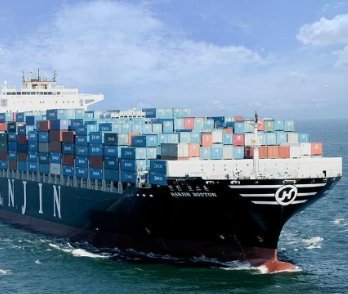
TJ China Cargo provides professional and reliable shipping solutions from China to Eritrea, supporting businesses with logistics tailored to this strategically located Horn of Africa market. We handle commercial goods, industrial shipments, and retail cargo, ensuring smooth delivery to Asmara, Massawa, and other key ports while navigating local infrastructure, customs regulations, and inland transport challenges.
Sea freight is the most practical and cost-effective solution for shipping goods from China to Eritrea. TJ China Cargo arranges ocean freight from major Chinese ports to Massawa and other ports, managing carrier selection, sailing schedules, and cargo handling. This service is ideal for bulk shipments, construction materials, industrial equipment, and commercial consignments, ensuring secure transit and reliable delivery through Eritrea’s limited but functional port infrastructure.
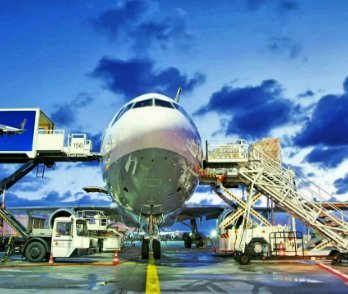
For urgent or high-value shipments, air freight provides fast and secure delivery to Asmara International Airport. TJ China Cargo coordinates airline space, cargo handling, and customs documentation, ensuring smooth clearance for electronics, medical supplies, and time-sensitive goods.

Our door-to-door service manages the entire shipping process from China to Eritrea. TJ China Cargo handles pickup, international transport, customs clearance, and final delivery to warehouses, retail locations, or project sites, offering a seamless logistics experience even in areas with limited road connectivity.
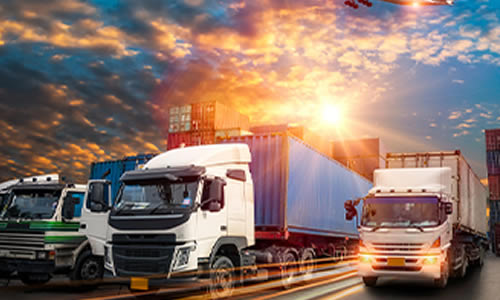
Full Container Load (FCL) shipping guarantees exclusive container use, reducing handling risks and improving cargo security. TJ China Cargo arranges FCL shipments via sea freight, suitable for construction materials, machinery, and bulk commercial consignments destined for Eritrea.
Less Than Container Load (LCL) shipping is a cost-effective solution for smaller shipments. TJ China Cargo consolidates cargo at origin, manages deconsolidation at destination, and ensures secure delivery to Asmara, Massawa, and other key locations, balancing cost-efficiency with reliability.
We coordinate cargo pickup in China and delivery to Asmara, Massawa, and surrounding areas with professional local partners.
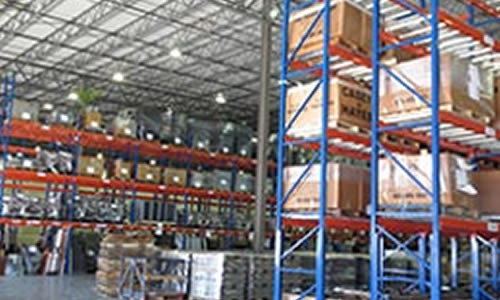
TJ China Cargo provides flexible consolidation and short-term storage in China to optimize shipment planning.
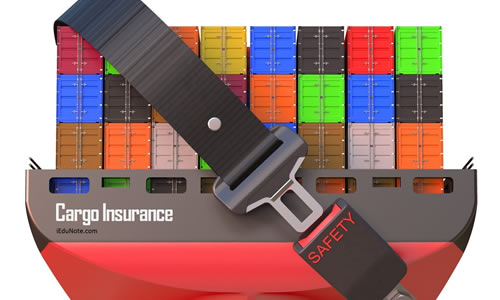
Comprehensive insurance protects shipments against loss, damage, or delays during sea or air transport.

Our team ensures smooth customs clearance in Eritrea, fully compliant with local import regulations.
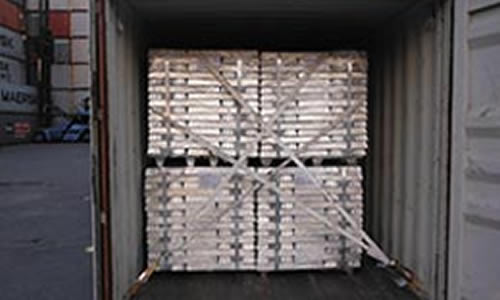
Professional inspection at origin verifies packaging and cargo condition, ensuring secure handling during transit and inland delivery.

• Tailored logistics solutions for both small and large shipments, optimized for Eritrea’s limited port infrastructure and inland transport challenges
• Reliable sea, air, and door-to-door services covering Asmara, Massawa, and other key locations
• Expert customs handling for smooth import clearance, reducing delays and ensuring compliance with Eritrean regulations
• Flexible FCL and LCL options designed for varying shipment volumes and delivery requirements
• Comprehensive end-to-end logistics support, including transit planning, port coordination, and inland delivery, ensuring timely, secure, and controlled shipments from China to Eritrea
Sea freight from China to Eritrea typically takes about 20 to 30 days. The exact duration depends on the departure port, destination port, and the number of stops en route. Factors like weather conditions and the shipping company's capacity can also influence the total shipping time.
Air freight is much faster than sea freight, generally taking around 3 to 7 days to ship from China to Eritrea. The exact time depends on the flight frequency, type of cargo, and the efficiency of customs clearance at both ends.
Using an international courier service, the delivery time for a package from China to Eritrea typically ranges from 5 to 10 days. Courier services are often faster and more reliable, with better tracking options compared to standard postal services.
Shipping times can vary significantly depending on the Chinese port of departure. Major ports like Shanghai and Shenzhen may offer faster and more frequent shipping options compared to smaller ports. The route taken and potential transshipment points also play a role.
Several factors can impact shipping time, including the type of shipping (air or sea), weather conditions, port congestion, customs clearance processes, and the logistics provider's efficiency. Unforeseen events like strikes or natural disasters can also cause delays.
Yes, expedited shipping options are available, particularly for air freight and courier services. These premium services prioritize faster delivery, often within a few days, but come at a higher cost. Customers should check with their logistics provider for specific options and rates.
Shipping estimates are generally reliable but can be subject to variations due to factors like weather, port delays, and customs procedures. It's advisable to track shipments and maintain communication with the logistics provider for real-time updates.
Common shipping routes for sea freight typically involve passing through the South China Sea, the Indian Ocean, and the Red Sea before reaching Eritrean ports like Massawa. For air freight, direct or connecting flights from major Chinese cities to Asmara are common.
Customs clearance is a crucial step that can significantly impact shipping time. Efficient customs processes at both the origin and destination can expedite delivery, while delays in documentation or inspections can cause significant hold-ups. Ensuring all paperwork is in order can help mitigate these delays.
Shipping goods internationally requires several documents, including a commercial invoice, packing list, bill of lading (for sea freight) or airway bill (for air freight), and certificates of origin. Proper documentation ensures smoother customs clearance and reduces the risk of delays.
Operations deal with the way the vehicles are operated, and the procedures set for this purpose, and policies. In the transport industry, operat ions and ownership of infrastructure can be either country.