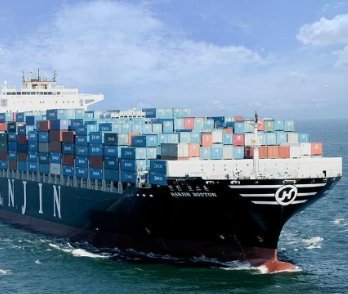
TJ China Cargo offers efficient and reliable air, sea, and door-to-door shipping services from China to Iceland, ensuring that your goods are delivered securely and on time. Whether you’re shipping small parcels, bulk shipments, or specialized cargo, TJ China Cargo provides tailored logistics solutions designed to meet the unique shipping needs of Iceland. With major ports like Reykjavik and efficient air freight services, we ensure your shipments are handled with care and delivered on time.
TJ China Cargo offers Full Container Load (FCL) and Less Than Container Load (LCL) sea freight services to Iceland. While Iceland doesn’t have many large commercial ports, we use nearby European ports like Rotterdam or Hamburg for sea transport, followed by efficient land transport or short-sea shipping to Iceland. Whether you're shipping industrial equipment, electronics, or consumer goods, our sea freight services provide cost-effective and secure transport to Iceland.

For fast and time-sensitive deliveries, TJ China Cargo offers air freight services from China to Iceland. With Reykjavik Airport serving as the key entry point, we ensure quick and secure transport for your urgent shipments. Whether it’s small parcels or larger consignments, our air freight services guarantee timely delivery and efficient customs clearance, ensuring your goods arrive safely and promptly.

TJ China Cargo offers convenient door-to-door shipping services from China to Iceland. We handle every aspect of your shipment, from pickup at your location in China to final delivery in Iceland. This all-in-one service includes customs clearance, transport, and on-time delivery to your destination. Whether you're shipping commercial goods or personal items, our door-to-door solution provides a seamless, hassle-free shipping experience.
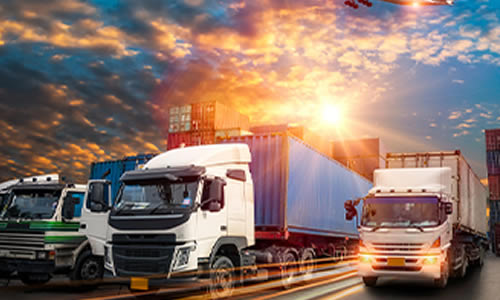
For larger shipments, TJ China Cargo provides Full Container Load (FCL) services to Iceland. FCL is ideal for businesses shipping bulk goods or large equipment, offering a dedicated container for secure and efficient transport. We ensure that your goods are delivered on time and safely, whether by sea or air, with the reliability you expect from TJ China Cargo.
For smaller shipments, TJ China Cargo offers Less Than Container Load (LCL) services to Iceland. LCL allows you to share container space with other shipments, making it an affordable and flexible option for smaller cargo. Whether you’re shipping small volumes of merchandise or personal items, we ensure your goods are securely packed and delivered on time to Iceland’s key logistics hubs.
Secure and reliable pickup and delivery services across China.
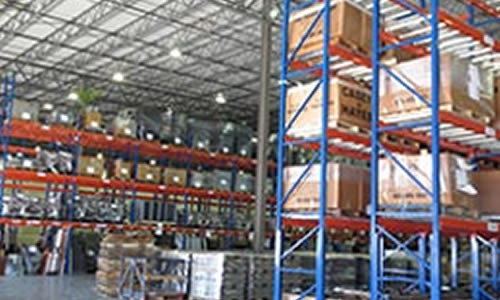
Free warehousing services in China to store your goods before shipment to Iceland.
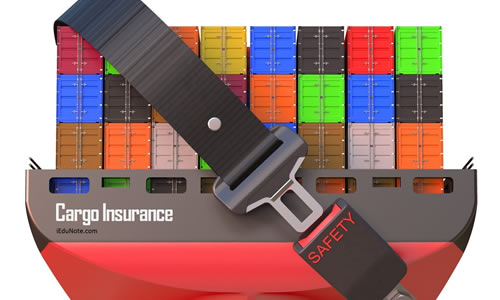
Comprehensive cargo insurance to protect your shipments during transit.

Efficient customs clearance to ensure timely delivery in Iceland.
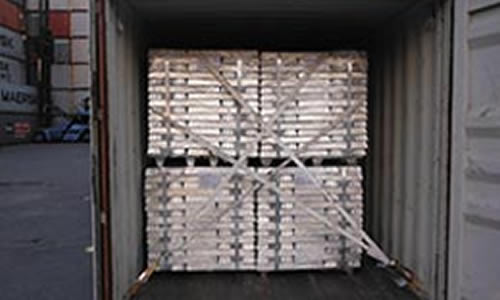
Thorough inspection to ensure your goods are properly packed and secure.
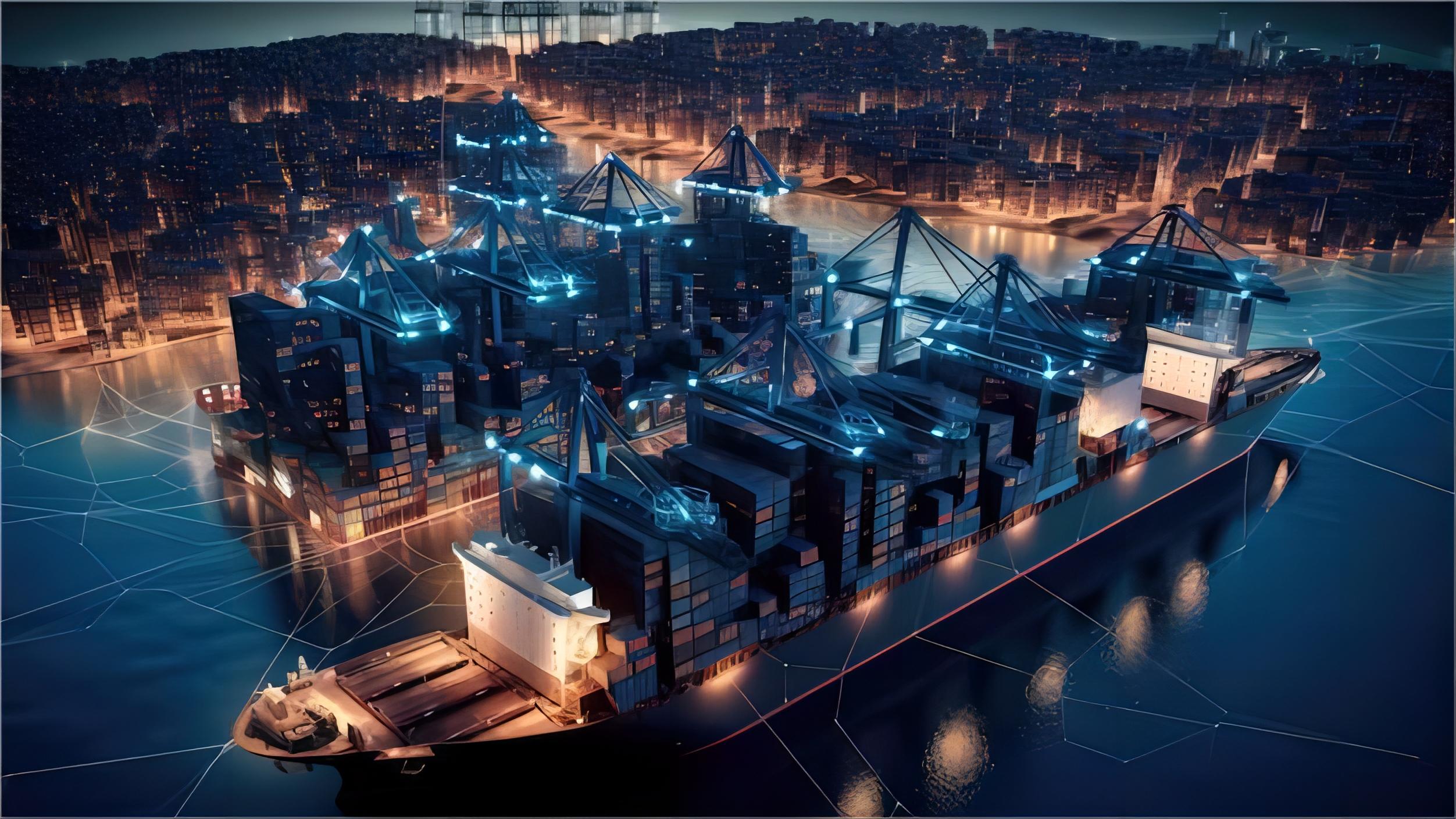
Factors influencing shipping time include the chosen mode of transport (air or sea), route efficiency, customs processing, and weather conditions. Sea freight typically takes longer but is more economical, while air freight is faster but costlier. Additionally, port congestion and operational delays can affect overall transit times.
To expedite shipments, choose air freight over sea freight for faster delivery. Ensure all documentation is accurate and complete to avoid customs delays. Consider using express shipping services offered by freight forwarders, and track your shipment to address any issues promptly.
Costs depend on the shipping method, cargo volume, weight, and any additional services. Air freight is generally more expensive than sea freight. Other costs may include customs duties, insurance, and handling fees. Obtain quotes from freight forwarders for a detailed breakdown.
Yes, shipments to Iceland must comply with Icelandic customs regulations. This includes proper documentation such as commercial invoices, packing lists, and any required permits or certificates. Ensure compliance with both international and local regulations to prevent delays and fines.
Freight forwarders offer expertise in logistics, handle complex paperwork, and can negotiate better shipping rates. They also provide tracking services, coordinate between different carriers, and ensure compliance with customs regulations, simplifying the shipping process for you.
Most freight forwarders and carriers provide tracking services. Obtain tracking numbers from your forwarder and use their online tools to monitor the status of your shipment in real-time. Regular updates help you stay informed and address any issues promptly.
First, check the tracking information for updates. Contact your freight forwarder or carrier for details on the delay and possible solutions. They can provide information on the cause and offer guidance on resolving any issues affecting your shipment.
Yes, but shipping hazardous materials requires adherence to strict regulations. Ensure compliance with both international and Icelandic regulations, including proper labeling, packaging, and documentation. Work with a freight forwarder experienced in handling hazardous goods to ensure safe and legal transport.
Use durable packaging materials suitable for the type of goods being shipped. For fragile items, use cushioning and protective layers. Ensure containers are strong enough to withstand handling and transit conditions. Proper packaging minimizes the risk of damage during shipping.
Implement security measures such as using sealed containers and secure storage facilities. Ensure comprehensive insurance coverage for potential risks like theft or damage. Choose reliable freight partners with strong safety records and regularly monitor your shipment throughout the transit process.
Operations deal with the way the vehicles are operated, and the procedures set for this purpose, and policies. In the transport industry, operat ions and ownership of infrastructure can be either country.