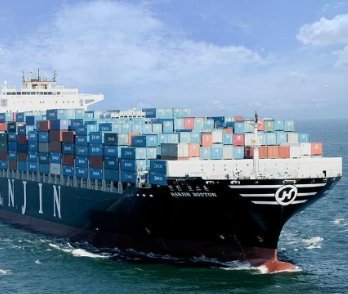
TJ China Cargo offers reliable and efficient air, sea, and door-to-door shipping services from China to Slovenia, ensuring that your goods are delivered securely and on time. Whether you’re shipping small parcels, bulk shipments, or specialized cargo, TJ China Cargo provides tailored logistics solutions designed to meet the unique shipping needs of Slovenia. With key logistics hubs like Ljubljana and major ports like Koper, we ensure smooth and timely deliveries every time.
TJ China Cargo offers Full Container Load (FCL) and Less Than Container Load (LCL) sea freight services to Slovenia, primarily through the Port of Koper, the country’s main port. Our sea freight solutions provide secure, reliable, and cost-effective transport for a wide range of goods, from industrial products to consumer items. After sea transport, we use efficient road transport to deliver your cargo to Slovenia’s key cities.
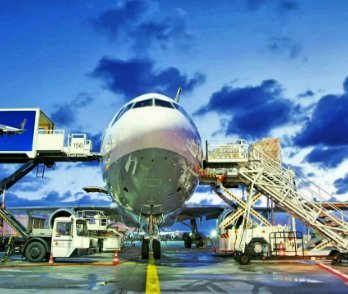
For time-sensitive shipments, TJ China Cargo offers fast and reliable air freight services from China to Slovenia. We ensure quick and secure transport through major European airports like Ljubljana Jože Pučnik Airport. Whether it’s small parcels or larger consignments, our air freight services guarantee timely delivery, efficient customs clearance, and safe transport, ensuring your goods arrive in Slovenia promptly.
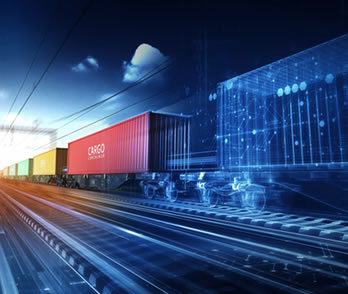
TJ China Cargo provides efficient door-to-door shipping services from China to Slovenia, handling every step of the shipment process from pickup in China to final delivery in Slovenia. This all-in-one service includes customs clearance, transport, and reliable delivery to key logistics hubs like Ljubljana or Koper. Whether you’re shipping personal goods or business shipments, our door-to-door service guarantees a seamless and hassle-free experience.
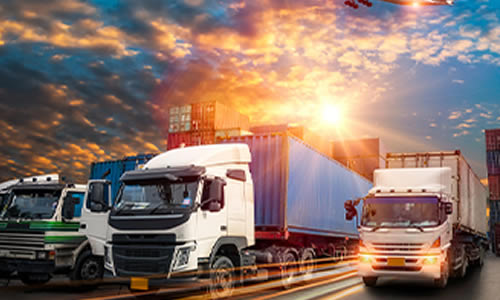
For smaller shipments, TJ China Cargo offers Less Than Container Load (LCL) services to Slovenia. LCL allows you to share container space with other shipments, offering a cost-effective solution for smaller consignments. Your goods will be securely packed, handled with care, and delivered on time to Slovenia’s main logistics hubs, including Ljubljana and Koper.
Secure and reliable pickup and delivery services across China.
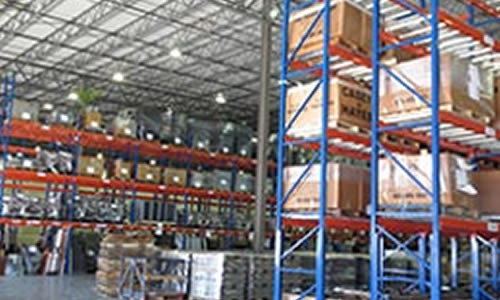
Free warehousing services in China to store your goods before shipment to Slovenia.
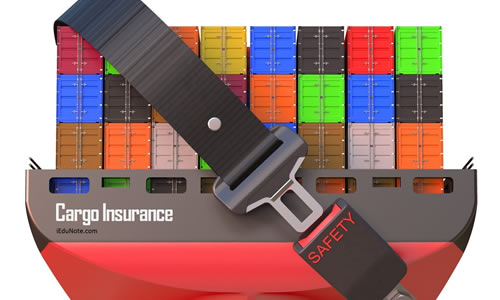
Comprehensive cargo insurance to protect your shipments during transit.
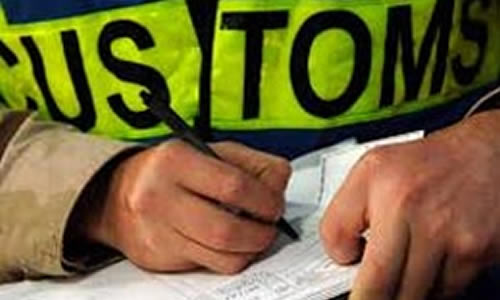
Smooth and efficient customs clearance for timely delivery in Slovenia.
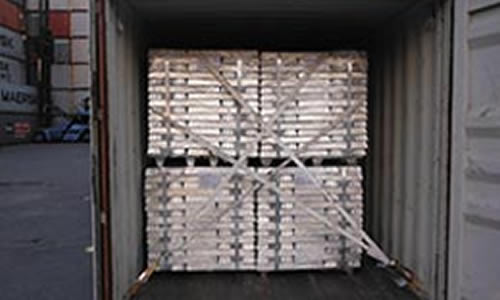
Thorough inspection to ensure your goods are properly packed and secure.
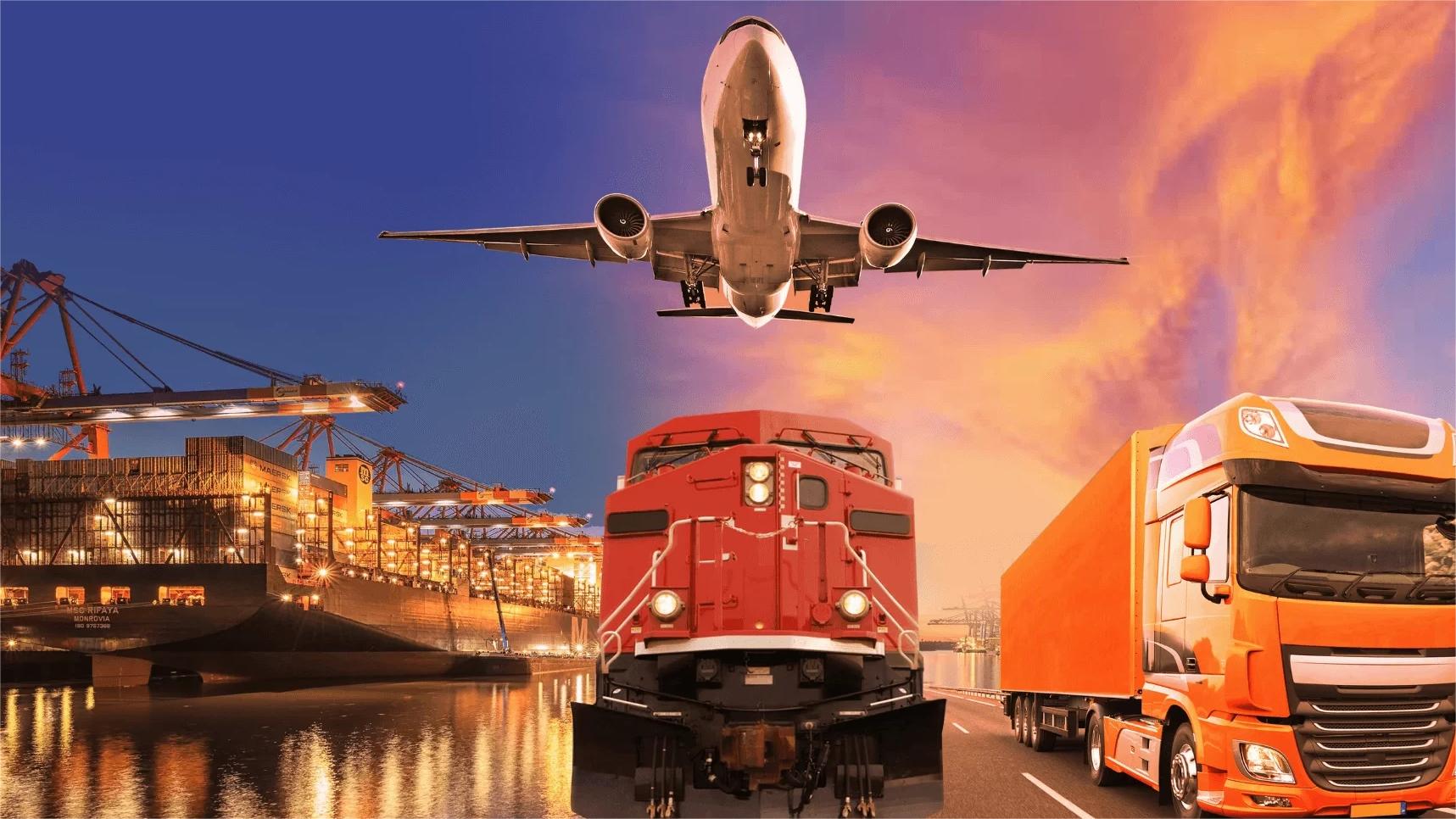
Freight forwarders streamline the shipping process by handling logistics, customs clearance, and transportation. They ensure compliance with international regulations, provide expert advice, and offer tracking services. This reduces the risk of delays and errors, ultimately saving time and costs. Forwarders also negotiate better shipping rates due to their established relationships with carriers.
To comply with Slovenian customs regulations, ensure that all documentation is accurate and complete, including invoices, packing lists, and certificates of origin. Verify that goods meet Slovenian and EU standards. Utilize a customs broker to navigate complex regulations and avoid potential fines or delays. Regularly review customs guidelines as regulations can change.
Customs duties on electronics depend on the specific type of product and its classification under the Harmonized System (HS) codes. Generally, electronics are subject to both import duties and VAT. Check the EU’s TARIC database for precise rates and ensure that all products comply with EU safety and environmental standards to avoid additional charges.
Importing textiles requires several documents, including a commercial invoice, a packing list, and a certificate of origin. You may also need an import license, especially for regulated textiles. Ensure that all documentation aligns with Slovenian and EU regulations to prevent delays and ensure smooth customs processing.
Utilize tracking services offered by your freight forwarder or carrier. Most companies provide real-time tracking through online platforms or mobile apps. Ensure that the tracking number is accurately entered into the tracking system to monitor your shipment’s status and receive updates on its location and estimated delivery time.
Contact your freight forwarder or carrier immediately to inquire about the delay. They can provide updated information and assist in resolving issues. Review the shipping terms and conditions to understand your rights. For significant delays, consider filing a claim if the delay impacts your business operations.
Food products are subject to strict import regulations, including safety standards and health certifications. Ensure that all food items comply with EU food safety regulations and are accompanied by necessary documentation, such as health certificates and inspection reports. Contact Slovenian customs for specific requirements related to the type of food being imported.
Consolidating shipments can reduce overall shipping costs by combining multiple orders into one container. This method lowers per-unit shipping fees and minimizes handling charges. It also streamlines customs clearance and reduces the administrative burden associated with processing multiple shipments.
While Brexit primarily affects trade between the UK and EU, it can impact logistics if your shipment transits through the UK. Be aware of potential changes in transit times and customs procedures. Ensure that all transit routes comply with current EU regulations and that your freight forwarder is updated on any new requirements.
Ensure that all shipment documents are complete and accurate, including invoices and certificates of origin. Properly label and package goods to facilitate inspection. Familiarize yourself with Slovenian customs procedures and be ready to provide additional information or documentation if requested. Working with a customs broker can help streamline this process.
Operations deal with the way the vehicles are operated, and the procedures set for this purpose, and policies. In the transport industry, operat ions and ownership of infrastructure can be either country.