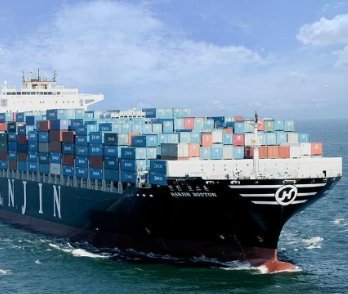
TJ China Cargo provides professional and reliable shipping solutions from China to Papua New Guinea, supporting businesses with tailored logistics to this diverse and challenging island nation. We handle commercial goods, industrial shipments, and project materials, ensuring secure delivery to Port Moresby, Lae, Madang, and other key ports while navigating Papua New Guinea’s rugged terrain, limited road infrastructure, and port-specific constraints.
Sea freight is the most efficient and cost-effective method for shipping goods from China to Papua New Guinea. TJ China Cargo arranges ocean freight from major Chinese ports to Port Moresby, Lae, and Madang, carefully managing carrier selection, sailing schedules, and port handling. This service is ideal for bulk shipments, construction materials, and large commercial consignments, ensuring safe transit despite the country’s challenging coastal conditions.
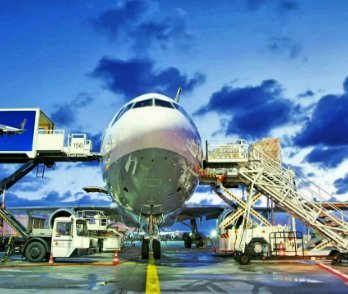
For urgent or high-value shipments, our air freight services provide fast and secure delivery to Jacksons International Airport in Port Moresby and other regional airports. TJ China Cargo coordinates airline space, cargo handling, and customs documentation, ensuring smooth clearance for electronics, medical supplies, and time-sensitive goods.

Our door-to-door service manages the complete shipping journey from China to Papua New Guinea. TJ China Cargo handles pickup, international transport, customs clearance, and final delivery to warehouses, industrial sites, or retail locations, providing a seamless logistics experience even for remote inland areas.

Full Container Load (FCL) shipping guarantees exclusive container use, reducing handling risks and enhancing cargo security. TJ China Cargo arranges FCL shipments via sea freight, suitable for construction materials, machinery, and large commercial consignments destined for Papua New Guinea.
Less Than Container Load (LCL) shipping is an economical solution for smaller shipments. TJ China Cargo consolidates cargo at origin, manages deconsolidation at destination, and ensures safe delivery to major ports and inland locations, balancing cost-efficiency with reliable handling.
We coordinate cargo pickup in China and delivery to Port Moresby, Lae, Madang, and other key destinations with professional local partners familiar with the region’s infrastructure.
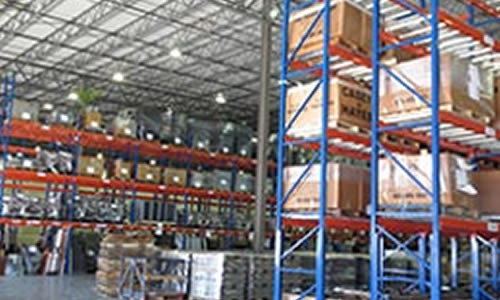
TJ China Cargo provides flexible consolidation and short-term storage in China prior to shipment, optimizing cargo readiness and scheduling.
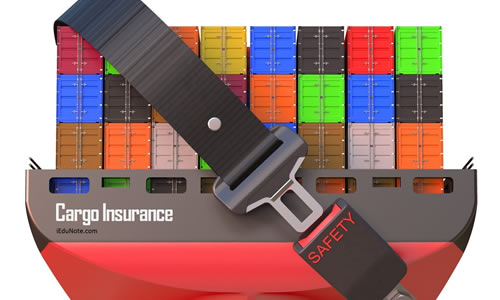
Comprehensive insurance protects shipments against loss, damage, or delays during long sea or air transit, including inland transport.

Our team ensures smooth customs clearance in Papua New Guinea, fully compliant with local regulations and documentation requirements.
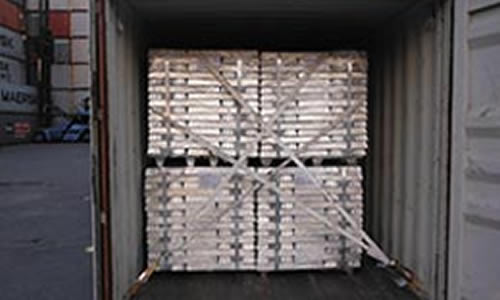
Professional inspection at origin verifies packaging and cargo condition to ensure secure handling during transit and at regional ports.

• Tailored logistics solutions for both small and large shipments, designed to navigate Papua New Guinea’s complex geography and port limitations
• Reliable sea, air, and door-to-door services covering major ports and inland destinations
• Expert customs handling for smooth import clearance, reducing delays and compliance risks
• Flexible FCL and LCL options optimized for the country’s infrastructure and shipment sizes
• End-to-end logistics support, including transit planning, port coordination, and inland delivery, ensuring safe, timely, and controlled shipments from China to Papua New Guinea
The best shipping methods from China to Papua New Guinea include air and ocean freight. Air freight is ideal for urgent deliveries, taking 5 to 7 days, while ocean freight, though slower at 14 to 30 days, is more economical for larger shipments. Choose based on your budget and delivery urgency.
To track your shipment effectively, use the tracking tools provided by your freight forwarder or carrier. These tools offer real-time updates on the shipment’s location and status via their websites or apps. Input your tracking number to receive timely notifications and monitor progress.
Importing goods into Papua New Guinea requires adherence to local customs regulations. Ensure accurate declaration, proper documentation, and compliance with import permits and tariff classifications. Engage a customs broker or freight forwarder to navigate these regulations and avoid delays or fines.
Packaging standards for Papua New Guinea require robust and protective materials to prevent damage. Use sturdy boxes and adequate cushioning for fragile items. Ensure that packaging meets international standards and that labels and documentation are clear and compliant with shipping regulations.
Shipping costs are influenced by factors such as the size and weight of the shipment, shipping method, and delivery speed. Additional costs might include customs duties, taxes, and handling fees. Choosing between air and ocean freight also affects the overall cost significantly.
To ensure timely delivery, choose a reliable freight forwarder who offers efficient logistics solutions and real-time tracking. Ensure all documentation is complete and accurate, comply with customs requirements, and select a shipping method that meets your delivery timeframe.
If your shipment is delayed, first check the tracking information for updates. Contact your freight forwarder or carrier for detailed explanations and potential resolutions. Address any issues swiftly and collaborate with your logistics partner to minimize further delays.
A freight forwarder provides several benefits, including expert handling of logistics, assistance with customs documentation, and access to a network of carriers. They can offer customized shipping solutions, negotiate better rates, and manage complex shipping processes to ensure smooth operations.
The choice of shipping method affects delivery time and cost. Air freight delivers faster, within 5 to 7 days, but is more expensive. Ocean freight, taking 14 to 30 days, is cost-effective for larger shipments. Match the method to your urgency and budget for optimal results.
Common risks include damage during transit, customs delays, and potential theft. To mitigate these risks, use high-quality packaging, obtain comprehensive insurance, and select a reputable freight forwarder. Understanding local regulations and maintaining good communication with your logistics provider can also help manage these risks effectively.
Operations deal with the way the vehicles are operated, and the procedures set for this purpose, and policies. In the transport industry, operat ions and ownership of infrastructure can be either country.