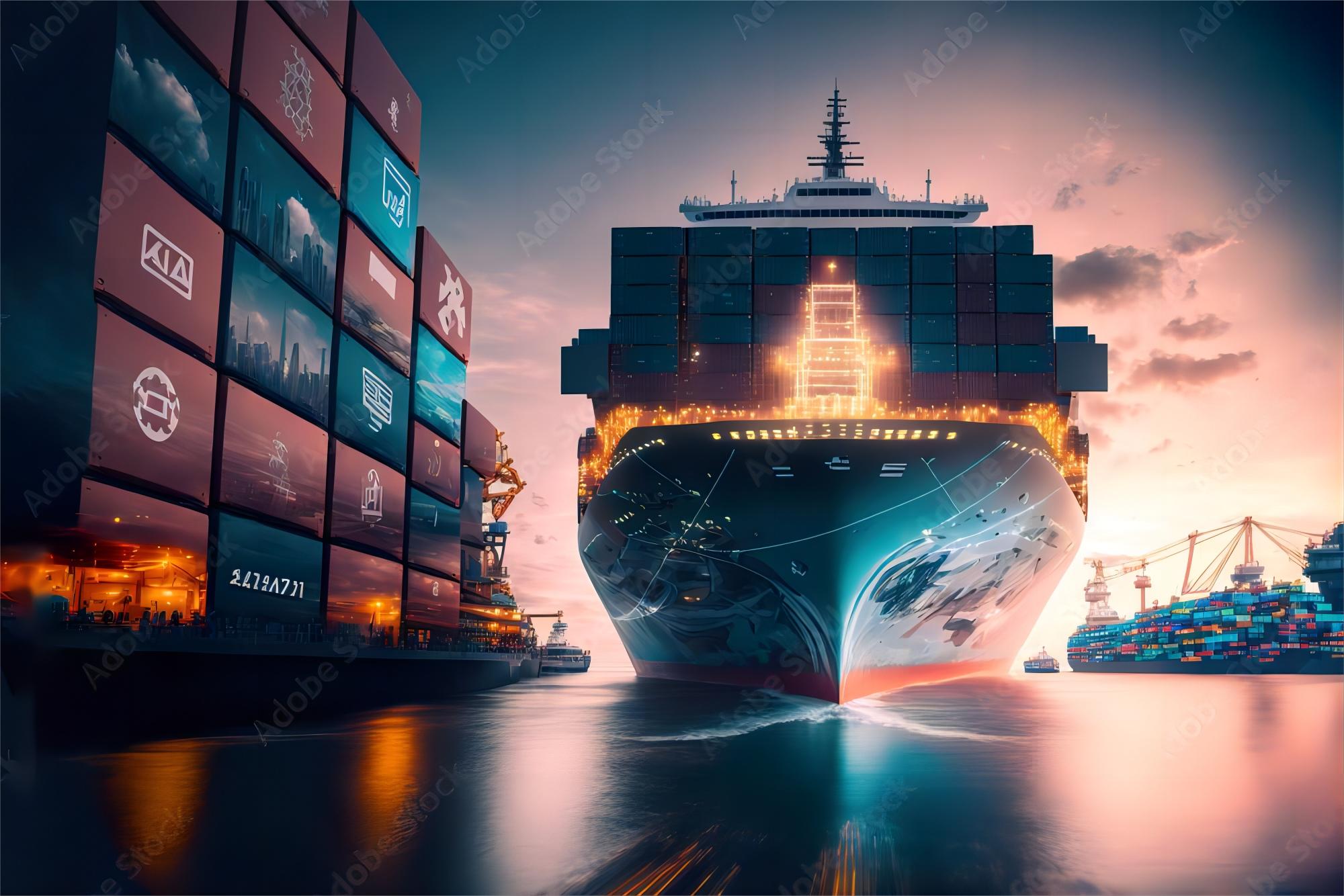
TJ China Cargo offers reliable and efficient shipping solutions from China to Brazil, ensuring that your goods are delivered on time and in perfect condition. Whether you’re shipping small packages or large shipments, TJ China Cargo provides comprehensive air and sea freight services designed to meet the diverse needs of the Brazilian market. Trust us for professional handling of your cargo, whether it’s for commercial or personal use.
Brazil’s extensive coastline and major ports, such as Santos, Rio de Janeiro, and Porto Alegre, play a crucial role in international trade. TJ China Cargo offers both Full Container Load (FCL) and Less Than Container Load (LCL) sea freight services, providing cost-effective and secure solutions for various types of cargo. Whether you're shipping bulk goods, industrial equipment, or consumer products, our sea freight services ensure that your shipment arrives at the right port in Brazil on time, with reliable handling and clear logistics management throughout the journey.
For time-sensitive shipments, TJ China Cargo offers fast and reliable air freight services from China to Brazil. With major airports like São Paulo-Guarulhos and Rio de Janeiro-Galeão, we ensure that your goods are transported quickly and securely. Our air freight solutions are ideal for parcels or larger shipments that need to reach Brazil with minimal delays. Whether you're shipping electronics, textiles, or other high-priority goods, we provide efficient and cost-effective air freight solutions to meet your needs.
With TJ China Cargo's door-to-door service, shipping from China to Brazil has never been easier. We manage all the logistics from pickup at your location in China to final delivery in Brazil. This comprehensive service includes customs clearance, warehousing, and land transport, ensuring that your goods are delivered securely and on time. Whether you're sending personal goods or business shipments, our door-to-door service guarantees a seamless experience.
For larger shipments, TJ China Cargo offers Full Container Load (FCL) shipping services to Brazil. FCL is the best option for businesses or individuals with larger shipments, as it provides a dedicated container for your goods, ensuring security and efficient transport. Brazil’s major ports handle significant international trade, and TJ China Cargo ensures that your goods are loaded, transported, and delivered on time. Whether you’re shipping machinery, construction materials, or large consumer goods, we provide reliable FCL services to Brazil at competitive rates.
If you don’t need a full container, TJ China Cargo offers Less Than Container Load (LCL) services to Brazil. With LCL, your shipment shares space with other goods, providing a cost-effective solution for smaller cargo while maintaining high standards of care and security. Whether you’re shipping small quantities of merchandise or goods for personal use, our LCL shipping service ensures timely and safe delivery to Brazil. It’s the perfect solution for businesses or individuals with smaller shipments that need efficient transport at an affordable price.
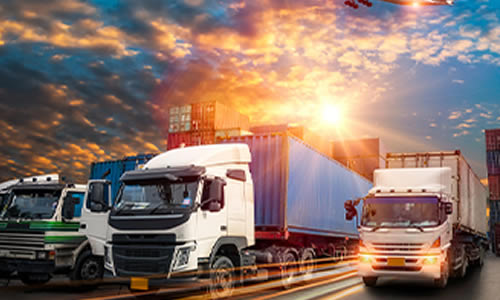
We offer reliable and efficient pickup and delivery services throughout China, ensuring your goods are securely transported to Brazil.
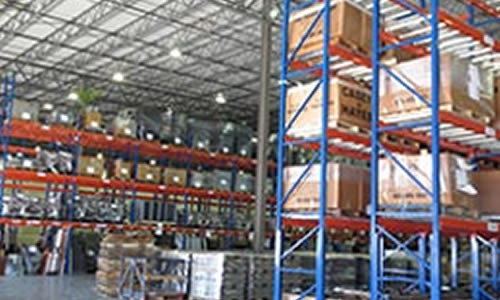
Secure and free warehousing services are available to store your goods in China before they are shipped to Brazil.
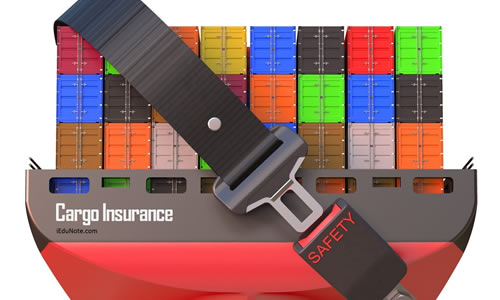
Protect your goods with comprehensive cargo insurance for peace of mind during transit.

Our experienced team handles all customs procedures to ensure your goods clear Brazilian customs smoothly and without delays.
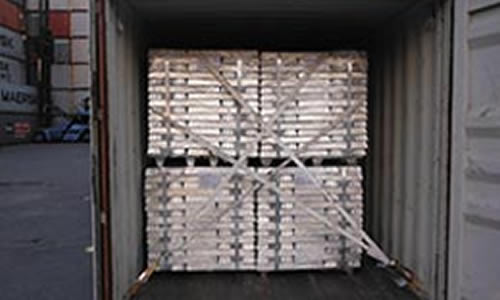
We provide thorough inspection services to ensure your goods are properly packaged and ready for safe transport.
Air freight from China to Brazil usually takes between 7 and 15 days. This includes the time required for customs clearance, flight duration, and transportation to the final destination. Air freight is significantly faster than sea freight, which can be beneficial for time-sensitive shipments.
Sea freight from China to Brazil typically takes around 30 to 45 days. This time frame accounts for the entire journey, including loading and unloading, and potential delays. Sea freight is more economical but slower compared to air freight.
Opt for LCL (Less-than-Container Load) sea freight for small batches, leverage freight forwarders’ bulk discounts, and avoid peak seasons (November–December).
Yes, shipping times can be expedited using express air freight services. These services prioritize speed, potentially reducing delivery times to as little as 7 to 10 days, but they come at a higher cost compared to standard shipping options.
Necessary documents include commercial invoice, packing list, bill of lading, Certificate of Origin (Form E), import license (RNE), and ANATEL certification for electronics.
Major ports in China for shipping to Brazil include Shanghai, Shenzhen, and Ningbo. In Brazil, key ports include Santos, Rio de Janeiro, and Itajaí. The choice of port can impact the overall shipping time and cost.
Taxes depend on HS code (average 10–35%). Check rates via SECEX’s official website before shipping.
When deciding between air and sea freight, consider factors such as urgency, cost, and shipment size. Air freight is faster but more expensive, while sea freight is more economical but slower. Your decision will depend on your specific shipping needs.
Ensure accurate NCM codes, use DDP (Delivered Duty Paid) shipping (freight forwarder handles taxes), and choose forwarders experienced in Brazil’s complex clearance process.
Track your cargo using your freight forwarder’s online portal, B/L (Bill of Lading) number, or blockchain tracking tools for real-time updates. Most providers offer 24/7 visibility from factory pickup to delivery in Brazil.
Operations deal with the way the vehicles are operated, and the procedures set for this purpose, and policies. In the transport industry, operat ions and ownership of infrastructure can be either country.