TJ China Cargo offers reliable and efficient door-to-door shipping services from China to Georgia, ensuring your shipments are delivered securely, on time, and hassle-free. Whether you’re shipping small parcels, bulk cargo, or specialized items, TJ China Cargo provides customized logistics solutions to meet the specific needs of the Georgian market. From Tbilisi to Batumi, and beyond, we guarantee seamless deliveries through a combination of air, sea, and road transport.
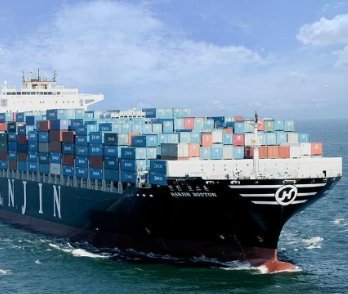
TJ China Cargo offers Full Container Load (FCL) and Less Than Container Load (LCL) sea freight services to Georgia, primarily through the Port of Poti and Batumi Port. After arriving at these key ports, we manage efficient inland transport to major cities like Tbilisi, Rustavi, and Kutaisi. Our sea freight services are cost-effective, secure, and ideal for shipping industrial goods, machinery, consumer products, and bulk items to Georgia.

For time-sensitive shipments, TJ China Cargo provides fast and efficient air freight services from China to Georgia. We utilize major airports such as Tbilisi International Airport and Batumi International Airport to ensure quick, efficient delivery. Whether you're shipping small, high-priority parcels or larger consignments, our air freight services guarantee swift customs clearance and on-time delivery, making them perfect for urgent shipments.

TJ China Cargo offers comprehensive door-to-door shipping services from China to Georgia, managing every step from pickup in China to final delivery in Georgia. This service includes customs clearance, transport, and reliable delivery to key locations like Tbilisi, Batumi, and Kutaisi. Whether you’re shipping personal items, business cargo, or e-commerce goods, our door-to-door service guarantees a smooth and efficient experience, simplifying the entire shipping process.

For larger shipments, TJ China Cargo offers Full Container Load (FCL) services to Georgia. FCL ensures that your goods are transported in a dedicated container, providing maximum security and efficiency throughout the journey. Whether you’re shipping heavy machinery, bulk products, or industrial items, our FCL services guarantee safe and timely delivery via sea, air, or road transport to Georgia’s major ports and cities.
For smaller shipments, TJ China Cargo offers Less Than Container Load (LCL) services to Georgia. LCL allows you to share container space with other shipments, providing a more affordable and flexible solution for smaller consignments. Your goods will be carefully packed, securely handled, and delivered on time to major logistics hubs in Georgia, including Tbilisi and Batumi.
Secure and efficient pickup and delivery services across China, ensuring smooth handling of your goods.

Free warehousing services in China to store your goods before shipment to Georgia, providing flexibility.

Comprehensive cargo insurance to protect your shipments during transit, offering peace of mind.

Efficient and smooth customs clearance, ensuring timely delivery and compliance with Georgian regulations.
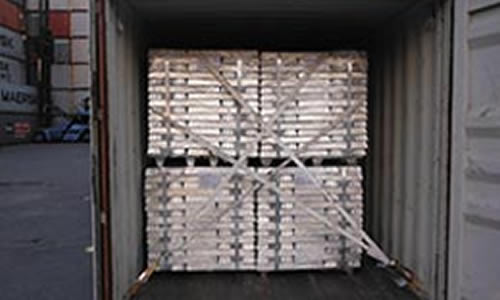
Thorough inspection to ensure your goods are properly packed and meet all shipping standards.

Several factors affect shipping time, including the mode of transport (air or sea), weather conditions, customs clearance, and the efficiency of the freight forwarder. Ocean freight typically takes longer (25 to 40 days), while air freight can reduce transit time to 5 to 10 days.
The choice of shipping route affects delivery times significantly. Direct routes generally shorten transit times, while indirect routes with multiple stops or transfers can extend the delivery period. The efficiency of port operations and the speed of transit through different countries also impact overall shipping times. Selecting the optimal route can help minimize delays and ensure timely delivery.
Weather conditions can influence shipping times by causing delays. For instance, storms, heavy rain, or fog can disrupt air or sea transport, leading to delays in departure or arrival. Shipping companies often account for weather-related risks, but unforeseen conditions can still affect the overall transit time.
Potential delays in international shipping from China to Georgia can include customs hold-ups, weather disruptions, port congestion, and logistical issues. Each of these factors can impact the timely delivery of shipments. Proper planning and management are essential to minimize and manage these delays effectively.
Delays can occur if shipments do not comply with customs regulations or if documentation is incomplete or inaccurate. Ensuring compliance and proper documentation helps expedite customs clearance.
Technologies like GPS, RFID, and online tracking systems allow real-time monitoring of shipments. These tools provide updates on the location and status of goods, enhancing visibility and control.
Use tamper-evident seals, secure storage facilities, and monitored loading/unloading processes. Implementing these measures helps deter theft and ensures the integrity of the shipment.
Develop contingency plans that include alternative routes, flexible scheduling, and backup transportation options. Keeping communication open with all parties involved also helps manage and mitigate delays.
Personnel should be trained in safe handling practices, compliance requirements, emergency response protocols, and specific procedures for dealing with hazardous materials. Regular training updates are also crucial.
Regularly review feedback, incident reports, and industry trends to identify areas for improvement. Implement new safety measures, update procedures, and invest in training to continually enhance freight safety and efficiency.
Operations deal with the way the vehicles are operated, and the procedures set for this purpose, and policies. In the transport industry, operat ions and ownership of infrastructure can be either country.