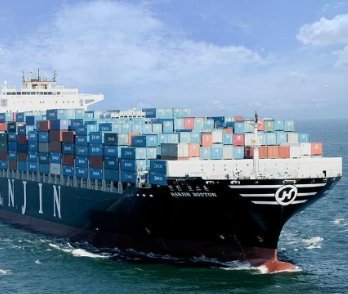
TJ China Cargo offers efficient and reliable air, sea, and door-to-door shipping services from China to Ireland, ensuring your goods are delivered securely and on time. Whether you’re shipping small parcels, bulk shipments, or specialized cargo, TJ China Cargo provides tailored solutions to meet the unique needs of the Irish market. With key ports in Dublin and Cork, as well as air freight services, we guarantee smooth and timely deliveries every time.
TJ China Cargo offers Full Container Load (FCL) and Less Than Container Load (LCL) sea freight services to Ireland through major ports like Dublin and Cork. Our sea freight solutions are designed to provide secure, cost-effective, and reliable transport for a wide range of goods, from industrial products to consumer items. We ensure timely delivery and secure handling of your cargo, with efficient transport options via sea and land.
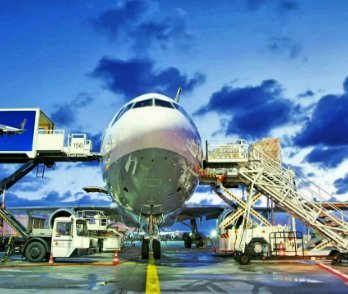
For time-sensitive deliveries, TJ China Cargo provides fast and reliable air freight services from China to Ireland. We ensure quick and secure transport through major airports like Dublin Airport. Whether it's small parcels or larger consignments, our air freight services guarantee efficient customs clearance and timely delivery, ensuring your goods arrive on time and in perfect condition.
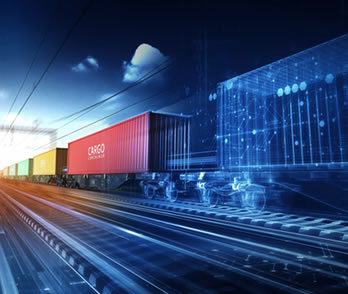
TJ China Cargo offers seamless door-to-door shipping services from China to Ireland, managing every aspect of your shipment from pickup to final delivery. We handle the logistics, including customs clearance, land transport, and delivery to your specified destination. Whether you're shipping personal goods or business shipments, we offer a smooth, hassle-free shipping experience for all types of cargo.
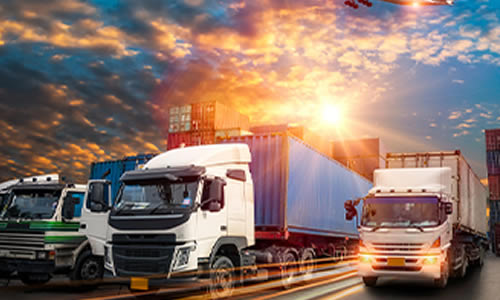
For large shipments, TJ China Cargo provides Full Container Load (FCL) services to Ireland. FCL ensures that your goods are transported in a dedicated container, providing maximum security and efficiency. Whether you’re shipping bulk products or industrial machinery, we guarantee safe and timely delivery to Ireland’s key ports, including Dublin and Cork.
For smaller shipments, TJ China Cargo offers Less Than Container Load (LCL) services to Ireland. LCL allows you to share container space with other shipments, making it a cost-effective solution for smaller consignments. We ensure your goods are securely packed and delivered on time, whether you’re shipping small volumes of merchandise or personal items.
Secure and reliable pickup and delivery services across China.
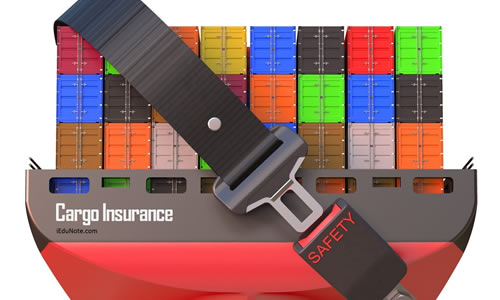
Comprehensive cargo insurance to protect your shipments during transit.

Smooth and efficient customs clearance for timely delivery in Ireland.
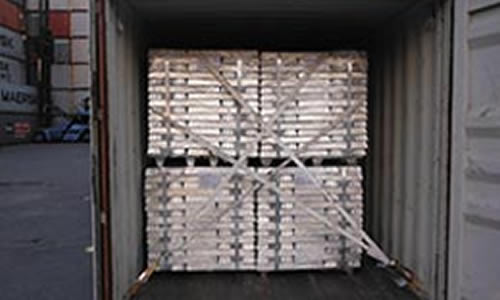
Thorough inspection to ensure your goods are properly packed and secure.
Shipping time from China to Ireland is influenced by factors such as the shipping method (air or sea), the specific route taken, weather conditions, customs clearance procedures, and the efficiency of the freight forwarder. Typically, air freight takes 3-7 days, while sea freight can take 4-8 weeks depending on these variables.
The most common shipping methods from China to Ireland include air freight, sea freight, and express courier services. Air freight is faster but more expensive, ideal for urgent or high-value goods. Sea freight is cost-effective for large volumes but takes longer. Express courier services offer quick delivery for smaller packages, typically within 3-5 days.
To track your shipment from China to Ireland, use the tracking tools provided by your freight forwarder or carrier. Most companies offer online tracking systems where you can enter your tracking number to see real-time updates on your shipment’s location and status. Ensure your freight forwarder provides reliable tracking services.
Key documents required for shipping from China to Ireland include the commercial invoice, packing list, bill of lading or airway bill, customs declaration, and any necessary import licenses or certificates of origin. Ensuring accurate and complete documentation is crucial to avoid delays and penalties during customs clearance.
When shipping to Ireland, be aware of customs regulations such as import duties, taxes (VAT), and specific product restrictions. Goods must comply with EU standards, and certain items may require additional documentation or licenses. Consulting with a customs broker or freight forwarder can help navigate these regulations.
To ensure compliance with Irish import standards, research and adhere to EU regulations and standards applicable to your goods. This includes safety standards, labeling requirements, and environmental regulations. Working with experienced freight forwarders and customs brokers can help ensure your shipments meet all necessary criteria.
Shipping costs from China to Ireland vary based on factors such as shipping method, cargo size and weight, fuel surcharges, insurance, and customs duties. Air freight is more expensive than sea freight. Request detailed quotes from multiple freight forwarders to compare costs and choose the best option for your needs.
Best practices for securing shipments include using high-quality packaging materials, sealing containers properly, implementing tamper-evident measures, and utilizing GPS tracking for real-time monitoring. Additionally, working with reputable freight forwarders who adhere to strict security protocols ensures the safety of your goods.
Weather conditions can significantly impact shipping times and safety. Severe weather, such as storms or heavy rainfall, can cause delays in sea and air freight. It’s important to consider seasonal weather patterns and choose reliable freight forwarders who can manage potential disruptions effectively.
When choosing a freight forwarder for shipping to Ireland, consider their experience, reputation, range of services, customer reviews, and compliance with safety and regulatory standards. Ensure they offer reliable tracking, competitive pricing, and comprehensive insurance coverage. A forwarder with expertise in the China-Ireland route can provide valuable insights and support.
Operations deal with the way the vehicles are operated, and the procedures set for this purpose, and policies. In the transport industry, operat ions and ownership of infrastructure can be either country.