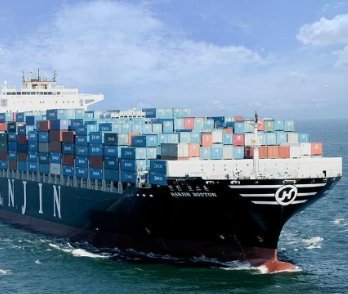
TJ China Cargo delivers professional and customized shipping solutions from China to Nigeria, tailored for businesses operating in West Africa’s largest economy. From Lagos to Port Harcourt and Abuja, we handle industrial equipment, commercial goods, electronics, and project cargo, ensuring timely and secure delivery while navigating Nigeria’s complex port operations, customs procedures, and inland transport network.
Sea freight is the most cost-effective and widely used method for shipping goods from China to Nigeria. TJ China Cargo arranges ocean freight to Apapa Port in Lagos, Onne Port, and Tin Can Island, coordinating carrier selection, container booking, and cargo handling. This solution is ideal for large commercial shipments, machinery, construction materials, and industrial consignments, with careful planning to avoid congestion and ensure timely arrivals.
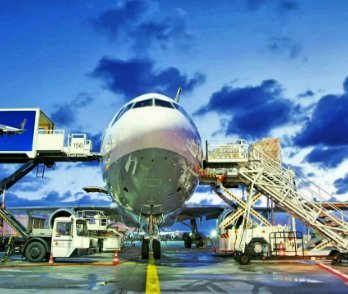
For urgent or high-value shipments, air freight offers fast delivery to Murtala Muhammed International Airport in Lagos and Nnamdi Azikiwe International Airport in Abuja. TJ China Cargo manages airline space, cargo handling, and documentation, supporting time-sensitive goods such as electronics, spare parts, medical supplies, and consumer products in high demand.

Our door-to-door service covers the complete logistics chain from China to Nigeria. TJ China Cargo handles cargo pickup, international transport, customs clearance, and final delivery to warehouses, factories, or retail locations, offering a streamlined solution in a market with complex regulatory and infrastructure requirements.

Full Container Load (FCL) shipping ensures exclusive container use, reducing handling risks and enhancing cargo security. TJ China Cargo arranges FCL shipments suitable for industrial machinery, commercial cargo, and large-scale projects.
Less Than Container Load (LCL) shipping is a flexible and cost-efficient option for smaller shipments. TJ China Cargo consolidates cargo at origin, manages deconsolidation at Nigerian ports, and coordinates inland delivery, balancing affordability with reliable transit.
We arrange cargo pickup throughout China and coordinate inland delivery to Lagos, Port Harcourt, Abuja, and other commercial hubs through trusted local partners.
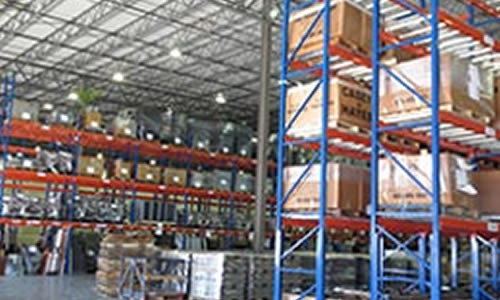
TJ China Cargo provides short-term storage and consolidation in China to optimize shipment planning and container utilization.
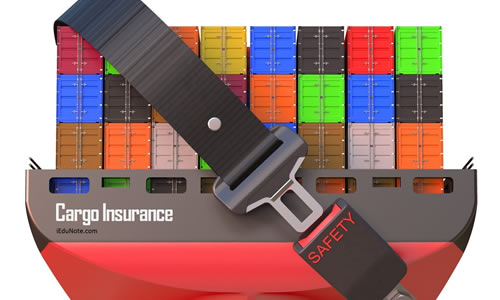
Comprehensive insurance coverage protects shipments during sea, air, and inland transport.

Our team manages customs clearance in Nigeria, ensuring compliance with local import regulations and port procedures.
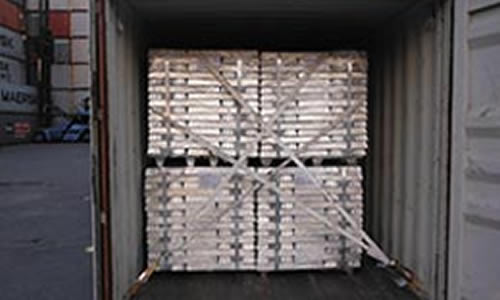
Pre-shipment inspection verifies cargo condition and packaging suitability for long-distance ocean transit and inland handling.

• Tailored logistics solutions for both small and large shipments, designed for Nigeria’s busy ports and extensive inland network
• Reliable sea, air, and door-to-door services covering Lagos, Port Harcourt, Abuja, and other key commercial regions
• Expert customs handling to minimize delays and ensure compliance with Nigerian regulations
• Flexible FCL and LCL options adapted to industrial, retail, and project cargo
• End-to-end logistics management, ensuring secure transit, visibility, and dependable delivery from China to Nigeria
The common shipping methods from China to Nigeria include air freight, sea freight, and rail transport. Air freight is faster but more expensive, suitable for high-value or urgent shipments. Sea freight is cost-effective for large volumes and heavier cargo but takes longer. Rail transport, though less common, offers a middle ground between cost and time.
To select a reliable freight forwarder, check their experience in handling shipments to Nigeria, read customer reviews, and verify their licensing and insurance coverage. A good forwarder should offer transparent pricing, excellent customer support, and expertise in navigating both Chinese and Nigerian logistics and customs regulations.
Essential documents for importing include the commercial invoice, packing list, bill of lading, certificate of origin, and import declaration forms. Ensure all documents are accurate and complete to facilitate smooth customs clearance. Additional documents may be required depending on the product type and Nigerian regulations.
To insure your goods, request coverage from your freight forwarder or purchase a separate insurance policy from a reputable provider. Ensure the policy covers all potential risks, including loss, damage, and theft during transit. Verify the terms and conditions to ensure adequate protection throughout the shipping process.
Customs duties in Nigeria vary based on the product category and value. The Nigerian Customs Service applies tariffs according to the Harmonized System (HS) codes for different goods. To determine specific duties, consult the Nigerian Customs Service or use their online tariff guide for accurate calculations.
Shipping duration depends on the method used. Air freight typically takes 5-10 days, while sea freight can take 4-6 weeks. The timeframe may vary based on factors such as port congestion, customs processing, and any unforeseen delays in transit.
You can track your shipment using the tracking number provided by your freight forwarder or shipping carrier. Most forwarders offer online tracking systems that provide real-time updates on your cargo’s location and status, ensuring you can monitor the progress of your shipment.
Regulations for importing electronics include compliance with Nigerian Communications Commission (NCC) standards, obtaining necessary certifications, and adhering to safety and quality requirements. Ensure your products meet Nigerian standards to avoid issues during customs clearance and potential penalties.
Operations deal with the way the vehicles are operated, and the procedures set for this purpose, and policies. In the transport industry, operat ions and ownership of infrastructure can be either country.