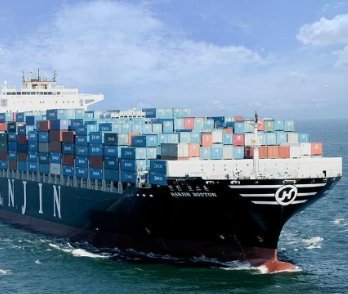
TJ China Cargo provides professional and reliable shipping solutions from China to South Sudan, supporting businesses, NGOs, and project operators in a landlocked and infrastructure-limited market. We manage commercial goods, construction materials, oilfield equipment, and humanitarian cargo, ensuring controlled delivery to Juba and other inland destinations through carefully planned transit corridors and cross-border logistics coordination.
Although South Sudan has no direct seaport, sea freight remains the most economical option for bulk and large-volume cargo. TJ China Cargo arranges ocean freight from major Chinese ports to regional gateways such as Mombasa (Kenya) or Port Sudan, followed by coordinated inland and cross-border transport into South Sudan. This solution is suitable for construction materials, industrial equipment, and project cargo requiring cost efficiency and stable routing.
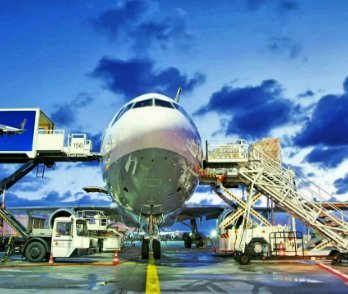
For urgent or high-value shipments, air freight provides faster delivery to Juba International Airport. TJ China Cargo coordinates airline capacity, cargo handling, and documentation, supporting time-sensitive goods such as spare parts, medical supplies, and critical equipment needed for ongoing operations.

Our door-to-door service manages the full logistics chain from China to South Sudan. TJ China Cargo handles pickup, international transport, customs clearance at transit points, cross-border procedures, and final delivery to warehouses, project sites, or field locations, offering a single-point solution in a challenging operating environment.

Full Container Load (FCL) shipping provides exclusive container use, improving cargo security during long-distance sea and inland transport. TJ China Cargo arranges FCL shipments for industrial machinery, oilfield equipment, construction projects, and large commercial consignments.
Less Than Container Load (LCL) shipping is a practical option for smaller shipments. TJ China Cargo consolidates cargo at origin, manages deconsolidation at transit ports, and coordinates inland delivery to South Sudan, balancing cost control with operational reliability.
We arrange cargo pickup across China and coordinate inland delivery to Juba and other locations through experienced regional partners.
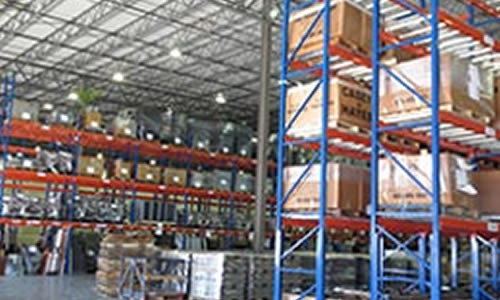
TJ China Cargo provides consolidation and short-term storage in China to support efficient shipment planning and transit scheduling.
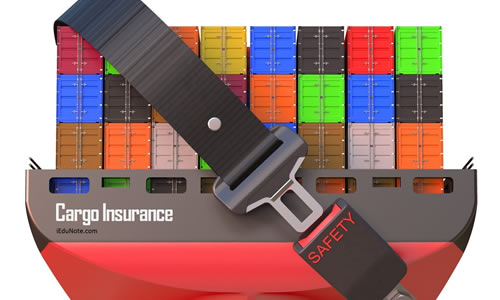
Comprehensive insurance coverage protects cargo during sea transport, cross-border trucking, and final inland delivery.

Our team manages customs clearance at transit ports and border points, ensuring compliance with regional and South Sudanese import regulations.
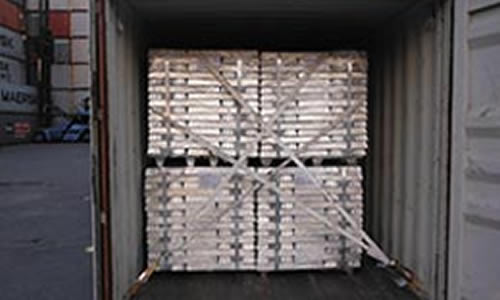
Pre-shipment inspection verifies cargo condition and packaging suitability for long sea routes and extended inland transportation.

• Tailored logistics solutions for both small and large shipments, designed for landlocked delivery and cross-border complexity
• Reliable sea, air, and door-to-door services via proven transit routes into South Sudan
• Experienced customs and border handling to minimize delays and manage regulatory challenges
• Flexible FCL and LCL options adapted to project cargo, industrial equipment, and mixed commercial shipments
• End-to-end logistics coordination, ensuring controlled transit, clear communication, and dependable delivery from China to South Sudan
Air freight from China to South Sudan typically takes between 7 and 15 days. This timeframe includes transport and potential customs processing. The exact duration can vary depending on the airline, route, and weather conditions.
Sea freight from China to South Sudan usually ranges from 2 to 4 months. This period encompasses the entire journey, including transport, transshipment, and customs procedures. The exact duration depends on the departure and arrival ports and the complexity of the shipping route.
South Sudan primarily relies on ports in neighboring Sudan, such as Port Sudan, since South Sudan does not have a coastline. These ports handle the majority of international shipping for South Sudan.
Yes, you can track shipments from China to South Sudan using tracking systems provided by the shipping company or courier service. Most logistics companies offer online tracking for both air and sea freight.
Required documents typically include a commercial invoice, packing list, bill of lading (for sea freight) or air waybill (for air freight), and a certificate of origin. Additional documents may be needed depending on the type of goods and local regulations.
Shipping costs vary significantly based on the mode of transport, weight, and volume of goods. Air freight is generally more expensive than sea freight. Additional costs may include handling fees, insurance, and customs duties.
For perishable items, air freight is typically the best option due to its faster transit time. Ensuring proper packaging and temperature control is crucial to maintain the quality of perishable goods during transit.
To minimize delays, ensure all documentation is accurate and complete, use reliable shipping companies, and consider potential delays at customs or in transit. Choosing a faster shipping method, like air freight, can also reduce the risk of delays.
South Sudan has specific import regulations that vary by product type. It's important to check the latest import requirements and restrictions, which can include certifications, inspections, and compliance with local standards. Consulting with a local import/export expert can provide detailed guidance.
Operations deal with the way the vehicles are operated, and the procedures set for this purpose, and policies. In the transport industry, operat ions and ownership of infrastructure can be either country.