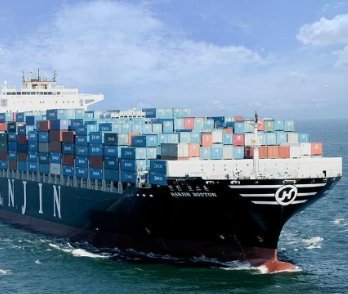
TJ China Cargo provides professional and reliable shipping solutions from China to Tuvalu, supporting businesses with efficient logistics to this remote Pacific island nation. We design tailored shipping plans for commercial goods, construction materials, and retail cargo, ensuring smooth delivery to Funafuti and other islands while navigating Tuvalu’s limited port facilities and island-specific transport challenges.
Sea freight is the most practical and cost-effective method for shipping goods from China to Tuvalu. TJ China Cargo arranges ocean freight from major Chinese ports to Funafuti, optimizing vessel schedules, managing port operations, and ensuring cargo security during long Pacific transit. This service is ideal for bulk shipments, construction materials, and large commercial consignments, providing reliable delivery to the islands.

For urgent or high-value shipments, our air freight services provide fast and secure delivery to Funafuti International Airport. TJ China Cargo coordinates airline space, cargo handling, and customs documentation, ensuring smooth clearance for electronics, medical supplies, and time-sensitive goods.

Our door-to-door service covers the entire journey from China to Tuvalu. TJ China Cargo manages pickup, international transport, customs clearance, and final delivery to warehouses, project sites, or retail locations, ensuring a seamless and controlled shipping experience for remote island operations.

Full Container Load (FCL) shipping provides exclusive container use, minimizing handling and improving cargo security. TJ China Cargo arranges FCL shipments via sea freight, suitable for construction materials, bulk goods, and large-scale commercial consignments destined for Tuvalu.
Less Than Container Load (LCL) shipping is an economical solution for smaller shipments. TJ China Cargo consolidates cargo at origin, manages deconsolidation at destination, and ensures secure delivery to Funafuti and other islands, allowing businesses to optimize costs while maintaining reliability.
We manage cargo pickup in China and delivery to Funafuti and other islands with professional local partners.
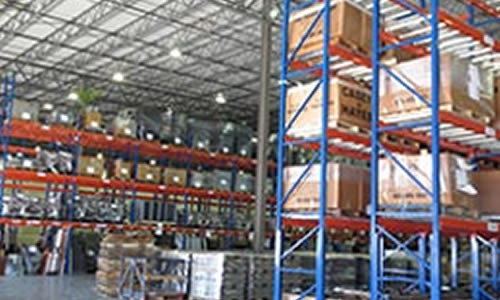
TJ China Cargo provides flexible consolidation and short-term storage in China prior to shipment.
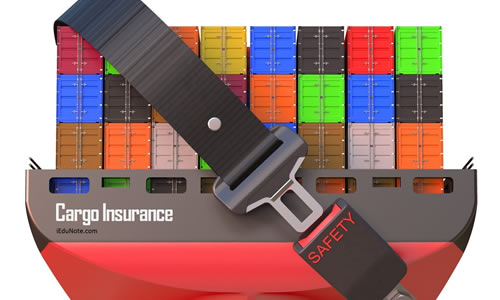
Comprehensive insurance protects shipments against loss, damage, or delays during sea or air transport.

Our team ensures smooth customs clearance in Tuvalu, fully compliant with local import regulations.
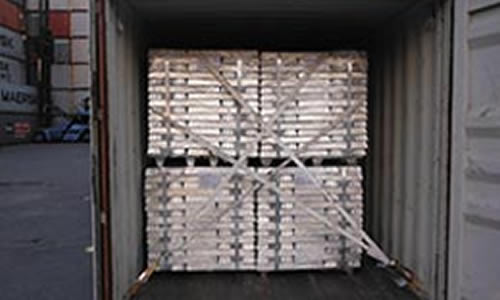
Professional inspection at origin verifies packaging and cargo condition for secure transit.

• Tailored logistics solutions for both small and large shipments, specifically designed for Tuvalu’s remote island delivery challenges
• Reliable sea, air, and door-to-door services ensuring safe delivery to Funafuti and surrounding islands
• Expert customs handling for smooth import clearance in Tuvalu, minimizing potential delays
• Flexible FCL and LCL options optimized for limited port infrastructure and seasonal shipping conditions
• Comprehensive end-to-end logistics support, including transit planning and inter-island coordination for timely, controlled deliveries
Shipping from China to Tuvalu generally includes sea freight and air freight. Sea freight is cost-effective for large volumes and takes approximately 30 to 45 days, while air freight is faster, taking about 7 to 10 days but is more expensive. The choice depends on your budget, urgency, and shipment size.
Several factors affect shipping times, including the type of shipping method, weather conditions, and port efficiency. Sea freight may face delays due to weather or transshipment points, while air freight times can be impacted by flight availability and customs processing.
Tracking your shipment is straightforward with most freight forwarders and carriers. They offer tracking services via online platforms where you can enter your shipment number to monitor its progress in real-time. Ensure your forwarder provides tracking information at the time of shipment.
Shipping to Tuvalu requires compliance with customs regulations, including accurate documentation such as invoices and packing lists. Ensure that all items meet Tuvaluan import requirements and are properly declared to avoid delays or penalties.
Packaging for shipping to Tuvalu should be robust to withstand the long journey. Use high-quality materials and secure packaging to prevent damage. Items should be well-padded, and labels should clearly indicate handling instructions.
Costs vary based on the shipping method, volume, weight, and service level. Sea freight is generally cheaper than air freight. Additional costs may include insurance, customs duties, and port handling fees. Get a detailed quote from your freight forwarder for accurate pricing.
The choice of port can impact shipping times and costs. Major ports in China like Shanghai or Shenzhen may offer more frequent services and competitive rates compared to smaller ports. Ensure your freight forwarder selects the most efficient port based on your needs.
Common challenges include long transit times, potential delays due to weather conditions, and the remote location of Tuvalu. Additionally, logistical issues such as port congestion and customs clearance can affect shipping efficiency.
To ensure safety, use durable packaging and secure your goods against movement. Choose a reputable freight forwarder with a strong track record in handling and shipping to remote locations. Additionally, consider insurance coverage to protect against potential loss or damage.
If your shipment is delayed, first check the tracking information for updates. Contact your freight forwarder to inquire about the delay and get an estimated delivery date. Ensure all documentation is correct and resolve any issues that may have caused the delay.
Operations deal with the way the vehicles are operated, and the procedures set for this purpose, and policies. In the transport industry, operat ions and ownership of infrastructure can be either country.