TJ China Cargo offers reliable and efficient door-to-door shipping services from China to Vietnam, ensuring your goods are delivered safely, securely, and on time. Whether you’re shipping small parcels, bulk cargo, or specialized items, TJ China Cargo provides tailored solutions that meet the unique logistics needs of the Vietnamese market. From Hanoi to Ho Chi Minh City, and beyond, we ensure smooth, timely deliveries using a variety of transport options, including air, sea, and road.
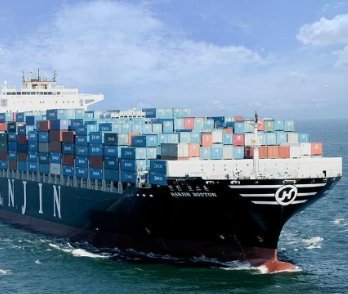
TJ China Cargo offers both Full Container Load (FCL) and Less Than Container Load (LCL) sea freight services to Vietnam, primarily through major ports such as Hai Phong, Ho Chi Minh City (Saigon), and Da Nang. After arriving at these key ports, we handle inland transport to cities like Hanoi, Ha Long, and Can Tho. Our sea freight services are designed to be cost-effective, secure, and reliable, ideal for shipping industrial products, machinery, consumer goods, and bulk shipments to Vietnam.
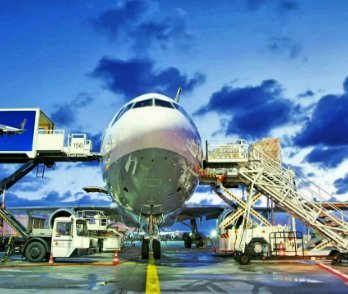
For time-sensitive shipments, TJ China Cargo provides fast and efficient air freight services from China to Vietnam. We utilize key airports like Tan Son Nhat International Airport in Ho Chi Minh City, Noi Bai International Airport in Hanoi, and Da Nang International Airport to ensure quick and secure transport. Whether you're shipping urgent parcels or larger consignments, our air freight services guarantee swift customs clearance and on-time delivery, making them perfect for businesses with time-critical needs.

TJ China Cargo offers seamless door-to-door shipping services from China to Vietnam, handling every detail from pickup in China to final delivery in Vietnam. This all-inclusive service covers customs clearance, transport, and reliable delivery to major cities such as Ho Chi Minh City, Hanoi, and Hai Phong. Whether you're shipping personal goods, business cargo, or e-commerce shipments, our door-to-door service ensures a smooth, efficient experience with guaranteed on-time delivery.
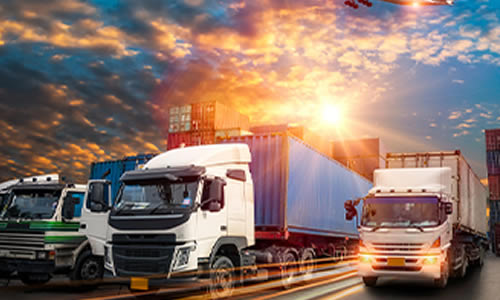
For larger shipments, TJ China Cargo provides Full Container Load (FCL) services to Vietnam. FCL ensures your goods are shipped in a dedicated container, offering the highest level of security and efficiency throughout the journey. Whether you’re shipping industrial equipment, bulk products, or high-value items, we guarantee safe and timely delivery via sea, air, or road transport to Vietnam’s key logistics hubs.
For smaller shipments, TJ China Cargo offers Less Than Container Load (LCL) services to Vietnam. LCL allows you to share container space with other shipments, making it an affordable and flexible solution for smaller consignments. Your goods will be securely packed, handled with care, and delivered on time to key locations in Vietnam, including Ho Chi Minh City, Hanoi, and Da Nang.
Secure and reliable pickup and delivery services across China, ensuring your goods are well taken care of from start to finish.
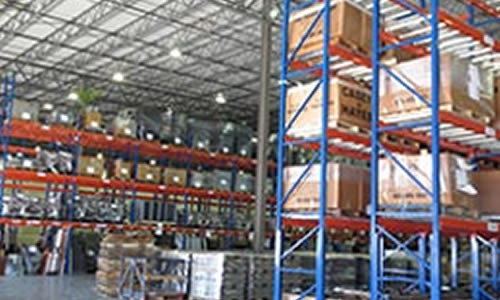
Free warehousing services in China to store your goods before shipment to Vietnam, offering flexibility and convenience.
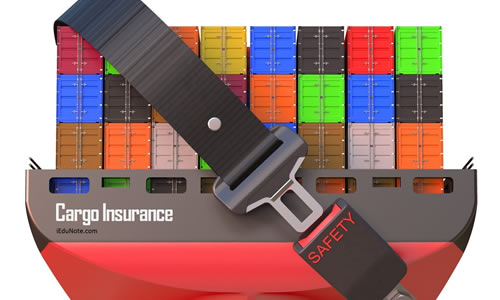
Comprehensive cargo insurance to protect your shipments during transit, providing peace of mind.
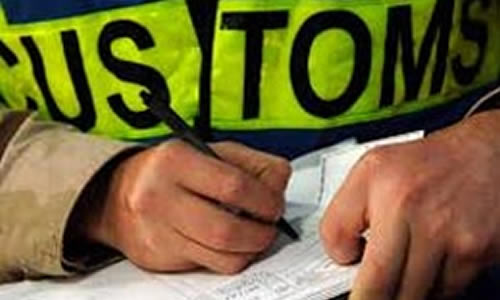
Efficient customs clearance ensuring smooth and timely delivery in Vietnam, minimizing delays.
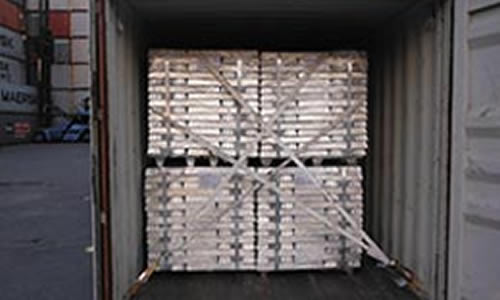
Thorough inspection to ensure your goods are packed properly and comply with shipping standards.

Shipping times from China to Vietnam are influenced by transport mode (sea or air), route efficiency, port congestion, customs clearance, and weather conditions. Sea freight generally takes longer due to slower transit times and potential delays at ports, while air freight is quicker but more costly.
To track a shipment from China to Vietnam, use the tracking number provided by your freight forwarder or carrier. Many companies offer online tracking systems on their websites or through mobile apps. This allows you to monitor the status and location of your cargo in real time.
Major shipping routes from China to Vietnam include the route from Shanghai or Shenzhen to Ho Chi Minh City or Hai Phong. These routes are commonly used for both sea and air freight, with shipping lines and airlines offering various schedules based on demand and efficiency.
When shipping to Vietnam, ensure compliance with local customs regulations, including accurate documentation, proper classification of goods, and adherence to import duties and taxes. Customs regulations in Vietnam may include specific requirements for permits and certifications depending on the type of goods.
Common cargo types shipped from China to Vietnam include electronics, textiles, machinery, and consumer goods. Both countries engage in extensive trade of manufactured products, raw materials, and industrial equipment, reflecting the strong economic ties between them.
Packaging requirements for shipping to Vietnam include ensuring that goods are properly secured to prevent damage during transit. Specific packaging standards may apply based on the type of product and its sensitivity. For example, fragile items should be padded, and hazardous materials must be packaged according to international regulations.
Sea freight is generally more cost-effective than air freight, primarily due to lower transportation costs. However, it takes longer. Air freight, while faster, is more expensive and is often chosen for high-value or time-sensitive shipments. The choice depends on the urgency and budget for the shipment.
To manage shipping delays, communicate promptly with your freight forwarder or carrier to understand the cause of the delay and potential resolution. Monitoring the shipment’s progress through tracking systems and adjusting your delivery plans accordingly can help mitigate the impact of delays.
Essential documentation for shipping includes a bill of lading, commercial invoice, packing list, and any required certificates or permits. Accurate and complete documentation is crucial for smooth customs clearance and to avoid potential delays or issues with the shipment.
To select the best freight forwarder, evaluate their experience, reputation, and customer service. Check their track record in handling shipments to Vietnam, their compliance with regulations, and their ability to provide reliable tracking and support throughout the shipping process.
Operations deal with the way the vehicles are operated, and the procedures set for this purpose, and policies. In the transport industry, operat ions and ownership of infrastructure can be either country.