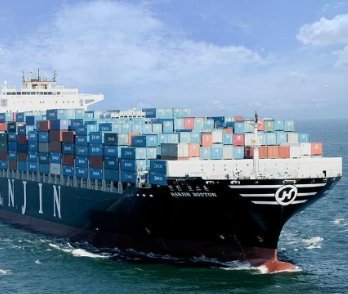
TJ China Cargo provides professional and reliable shipping solutions from China to Wallis and Futuna, addressing the unique logistics challenges of this remote French territory in the South Pacific. With infrequent sailings, limited port facilities, and dispersed islands, TJ China Cargo offers carefully planned shipping solutions to ensure safe and timely delivery to Mata-Utu, Alofi, and surrounding islands.
Sea freight is the primary method for shipping goods to Wallis and Futuna due to its remote location. TJ China Cargo arranges ocean freight from major Chinese ports to Mata-Utu, carefully coordinating sailings to match the limited shipping schedules. Our service is ideal for bulk shipments, construction materials, and commercial consignments where reliability and timing are crucial despite infrequent voyages.

For urgent or high-value shipments, air freight to Hihifo Airport provides faster delivery options. TJ China Cargo coordinates airline space, cargo handling, and customs documentation, ensuring sensitive goods such as electronics, medical supplies, and perishables reach their destination safely.

Our door-to-door service manages the full shipping process from China to Wallis and Futuna. TJ China Cargo handles pickup, international transport, customs clearance, and local island delivery, providing a controlled and seamless logistics experience for businesses shipping to these isolated islands.

Full Container Load (FCL) shipping offers exclusive container use, reducing handling risks and improving cargo security. TJ China Cargo arranges FCL shipments via sea freight, suitable for bulk goods, construction materials, and large commercial consignments, scheduled to align with Wallis and Futuna’s limited port availability.
Less Than Container Load (LCL) shipping is a cost-effective option for smaller shipments. TJ China Cargo consolidates cargo at origin, manages deconsolidation at destination, and ensures secure delivery to Mata-Utu, Alofi, and surrounding islands, optimizing costs while maintaining reliability despite the infrequent shipping schedules.
We arrange cargo pickup in China and delivery to Mata-Utu and Alofi with local partners familiar with island transport constraints.
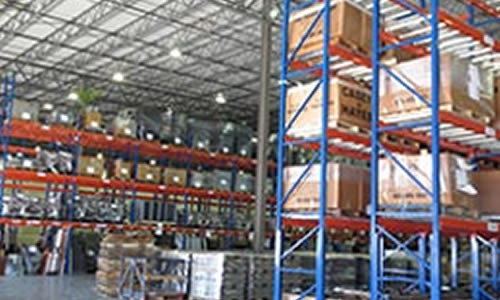
TJ China Cargo provides short-term storage and consolidation in China, allowing flexible shipment planning before departure to Wallis and Futuna.
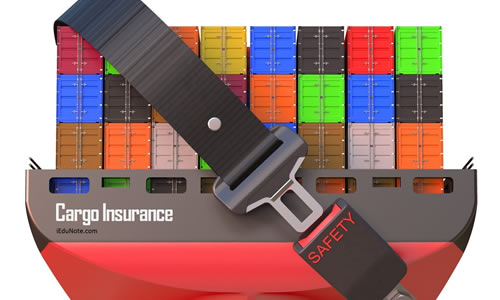
Comprehensive insurance protects shipments from loss, damage, or delays caused by long sea transit and variable island port conditions.

Our team ensures smooth customs clearance in Wallis and Futuna, fully compliant with French regulations, reducing the risk of delays at the islands’ limited ports.
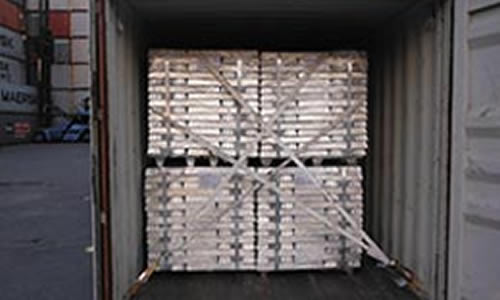
Professional inspection at origin verifies packaging and cargo condition, ensuring safe handling for long-distance sea transport and inter-island delivery.
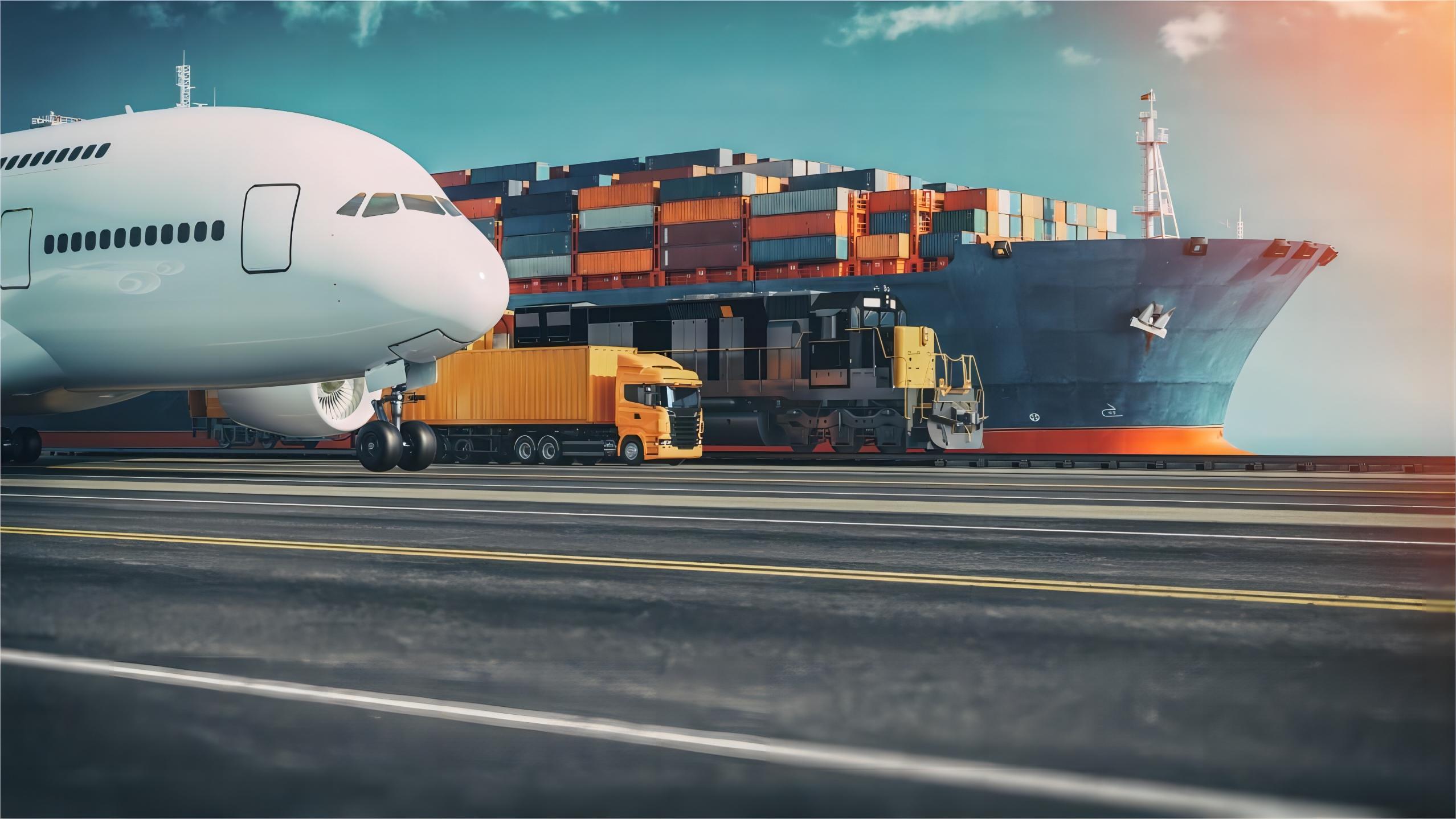
• Tailored logistics solutions for both small and large shipments, designed for Wallis and Futuna’s extremely remote islands and limited shipping schedules
• Reliable sea and air services, carefully timed to account for infrequent sailings and port availability
• Expert customs handling for smooth import clearance under French regulations
• Flexible FCL and LCL options adapted to island infrastructure and seasonal shipping windows
• End-to-end logistics support, including transit planning, port coordination, and island distribution, ensuring safe, timely, and controlled delivery from China to Wallis and Futuna
To start shipping goods from China to Wallis and Futuna, you should select a reputable freight forwarder, ensure proper packaging, obtain insurance, and comply with relevant regulations. Utilizing tracking systems and implementing security measures are also crucial for safe transit.
Research freight forwarders with experience in shipping to Wallis and Futuna. Check their safety records, compliance with international regulations, and customer reviews. This helps ensure they have a proven track record in handling similar shipments.
Use high-quality, padded packaging materials for fragile items to protect them from damage. Ensure the packaging is durable and appropriately sized for the goods to minimize movement and potential impact during transit.
For high-value goods, opt for comprehensive insurance coverage that includes protection against loss, theft, and damage. Review policy details to ensure adequate coverage and consider additional insurance if needed for particularly valuable items.
Ensure all required documentation is accurate and complete, including customs declarations and shipping invoices. Familiarize yourself with both international and Wallis and Futuna-specific regulations to avoid delays or fines.
Freight forwarders often provide tracking systems that offer real-time updates on your shipment's location and status. Utilize these technologies to monitor progress and address any issues that may arise during transit.
Employ measures such as using sealed containers, securing storage facilities, and monitoring the loading and unloading process to safeguard your shipments from theft or unauthorized access.
Identify potential risks such as adverse weather conditions or transportation delays. Develop contingency plans to address these risks and ensure that you can manage any issues that might arise during transit.
Personnel involved in handling and shipping should receive training on safety procedures, compliance requirements, and protocols for dealing with hazardous materials and emergencies.
Regularly evaluate your shipping processes based on feedback, incident reports, and industry updates. Implement changes and improvements to enhance efficiency, reduce risks, and ensure the safe delivery of goods.
Operations deal with the way the vehicles are operated, and the procedures set for this purpose, and policies. In the transport industry, operat ions and ownership of infrastructure can be either country.